
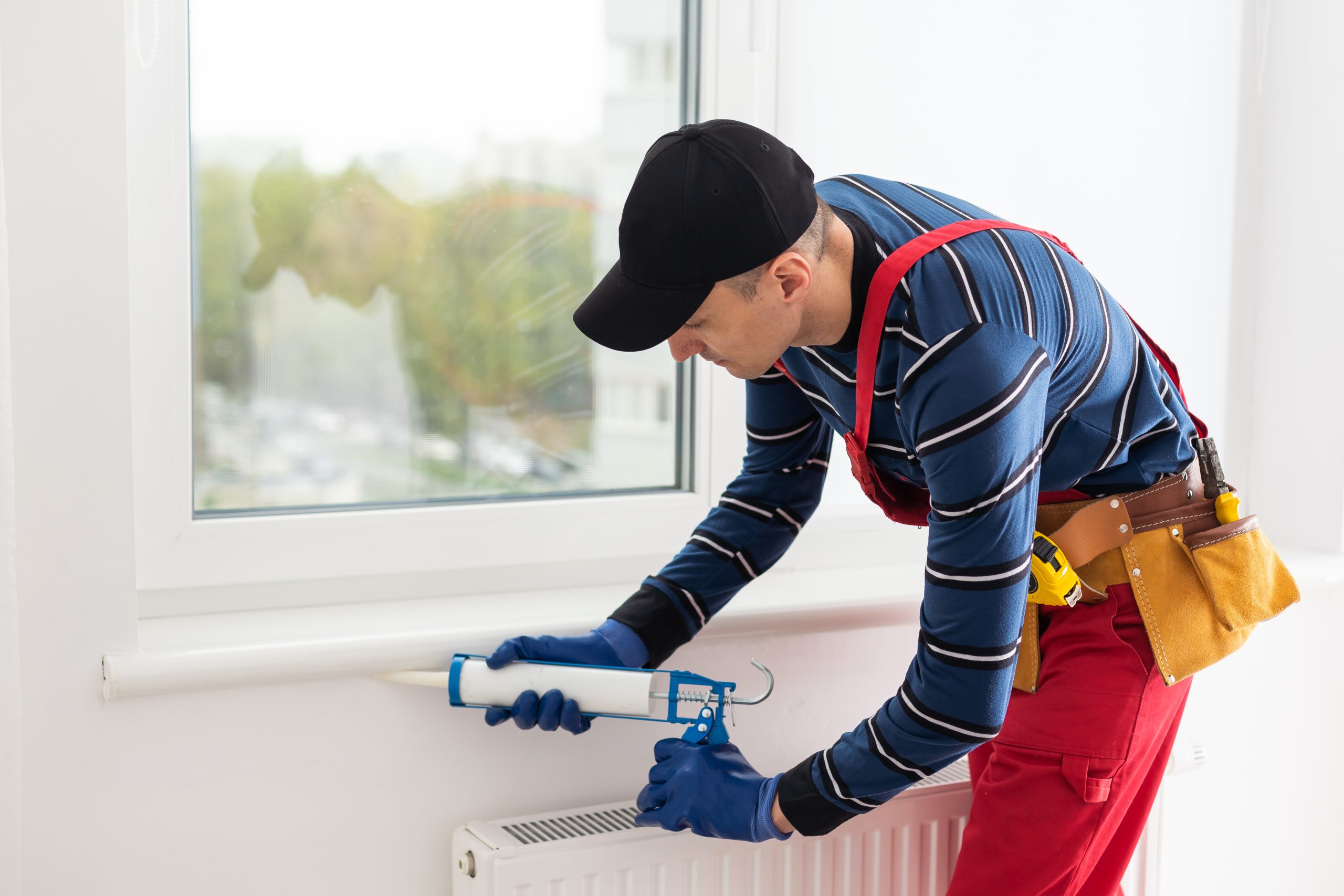
One of the most common questions I get from buyers, sellers, and property investors is whether it makes sense to caulk interior doors. It sounds like a small detail, but in many cases, it plays a bigger role in comfort, energy efficiency, and even perceived property value than people expect.
In my experience working with a wide range of residential and commercial clients, the decision to caulk interior doors isn’t just about aesthetics—it’s about how a property performs day to day and how it’s presented when it matters most.
What Does It Mean to Caulk Interior Doors?
When we talk about caulking interior doors, we’re referring to sealing the gaps between the door frame (or trim) and the surrounding wall using a flexible sealant. This is different from weatherstripping, which is applied where the door meets the frame to block drafts.
Caulking focuses on the structural edges—those small seams that can develop cracks, allow air leakage, or simply look unfinished over time.
If you’ve ever looked closely at a door frame and noticed slight gaps, uneven lines, or shadowing around the trim, that’s exactly where caulking comes in.
In many properties I walk through, especially during pre-listing evaluations, this is one of those subtle upgrades that can instantly make a space feel tighter, cleaner, and better maintained.
Should You Caulk Interior Doors?
When It Makes Sense to Caulk Interior Doors
Yes, in many cases, it’s a good idea to caulk interior doors, especially when:
- There are visible gaps or cracks between the trim and wall
- You notice drafts between rooms (common in older homes)
- You’re trying to improve sound insulation between spaces
- You want a more polished, finished appearance
In my experience, this is particularly relevant in homes with drywall settling, seasonal expansion, or older trim installations.
For homeowners exploring professional door sealing and finishing services, I often point them toward solutions like expert door caulking and sealing techniques that address both function and appearance.
Who Should Be Thinking About This?
First-Time Buyers
If you’re buying your first home, you may not notice details like door frame gaps during showings. That’s normal.
But once you move in, small inefficiencies become more obvious—temperature differences between rooms, minor drafts, or even noise transfer.
In many cases, caulk interior doors is a low-cost improvement that enhances comfort without major renovation.
Move-Up Buyers
Buyers moving into larger or newer homes often expect a higher level of finish.
I’ve had clients surprised during inspections when small cosmetic issues like unsealed trim come up. While not a deal-breaker, these details can influence negotiations or post-closing upgrade plans.
Sellers Preparing a Property
When I’m advising sellers, I always emphasize presentation.
Caulking interior doors falls into that category of “small fixes that make a big difference.” It helps:
- Improve visual appeal in listing photos
- Create cleaner lines throughout the home
- Signal proper maintenance to buyers
Before listing, I often recommend pairing this with broader updates through comprehensive home improvement and property preparation services to ensure consistency across the property.
Investors and Landlords
For investors, especially those managing rental properties, durability and tenant satisfaction matter.
Caulking helps:
- Reduce wear and tear around door frames
- Improve energy efficiency (even indoors)
- Maintain a more professional finish between tenants
In multi-unit or mixed-use properties, even minor improvements can impact tenant perception and retention.
Commercial Property Owners
In commercial spaces—offices, retail units, or mixed-use buildings—caulking interior doors contributes to:
- Sound control between rooms
- Cleaner, more professional interiors
- Better long-term maintenance
It’s a small detail, but in commercial leasing, presentation can influence tenant decisions.
Common Concerns I Hear From Clients
“Does This Affect Property Value?”
Not directly in a measurable way, but indirectly—yes.
Buyers respond to how a property feels. Clean lines, sealed edges, and well-maintained finishes create a stronger impression.
In many cases, it contributes to a smoother showing experience and fewer objections.
“Is This Something Inspectors Look At?”
Home inspectors typically won’t flag missing caulking as a major issue unless it’s tied to moisture or structural concerns.
However, buyers often notice it during walkthroughs, especially in newer or renovated homes where expectations are higher.
“Is It Worth Doing Before Selling?”
In my experience, yes—especially if:
- The home has visible wear
- You’re competing with newer listings
- You want to reduce buyer hesitation
It’s one of those updates that supports your overall presentation strategy.
“What About Cost vs. Return?”
Caulking is relatively inexpensive compared to other improvements.
While it won’t dramatically increase your sale price on its own, it contributes to the overall perception of quality—which can influence buyer confidence and negotiation dynamics.
Every situation is different, but small details often add up.
What I’ve Seen in Real Transactions
Over the years, I’ve walked through hundreds of properties with clients.
Here’s what tends to stand out:
- Homes with clean, finished trim feel more “move-in ready”
- Buyers often associate small gaps or cracks with deferred maintenance
- Properties with consistent finishing details tend to photograph better and show better
One thing I always explain is that buyers don’t just evaluate big features like kitchens and layouts—they notice the small details, too.
And in competitive markets, those details can influence how quickly a property gains traction.
Practical Tips If You’re Considering It
What to Look For
Walk through your property and check:
- Gaps between trim and wall
- Cracks along door frames
- Uneven or shadowed edges
If you see inconsistencies, caulking is likely worth considering.
Timing Matters
If you’re selling, this should be done before:
- Listing photos
- Showings
- Open houses
It’s part of presenting the home at its best.
Use the Right Materials
Not all caulking is the same.
For interior doors, paintable latex or acrylic caulk is typically preferred because it:
- Blends seamlessly with trim
- Allows for easy finishing
- Holds up well over time
Combine It With Other Updates
Caulking works best when paired with:
- Fresh paint
- Trim touch-ups
- Minor repairs
That’s why I often recommend a broader approach through professional door caulking solutions for residential and commercial properties to ensure everything looks cohesive.
A Strategic Approach Makes the Difference
Whether you’re buying, selling, or investing, small improvements like this should always be part of a bigger strategy.
In many cases, it’s not just about whether you should caulk interior doors—it’s about how that decision fits into your overall goals:
- Are you preparing to sell?
- Are you improving long-term livability?
- Are you optimizing a rental property?
A personalized strategy makes the biggest difference.
That’s something I emphasize with every client I work with through my network at a trusted real estate and property advisory platform like Kettle Contracting, where the focus is on practical, results-driven improvements.
If you’re thinking about improving your property—or just want a professional opinion on whether caulking interior doors makes sense in your situation—you can start by exploring expert door caulking services for better sealing and finishing. And if you’d like tailored advice based on your property, I recommend reaching out through a professional contact page for property improvement consultations to discuss your next steps.