
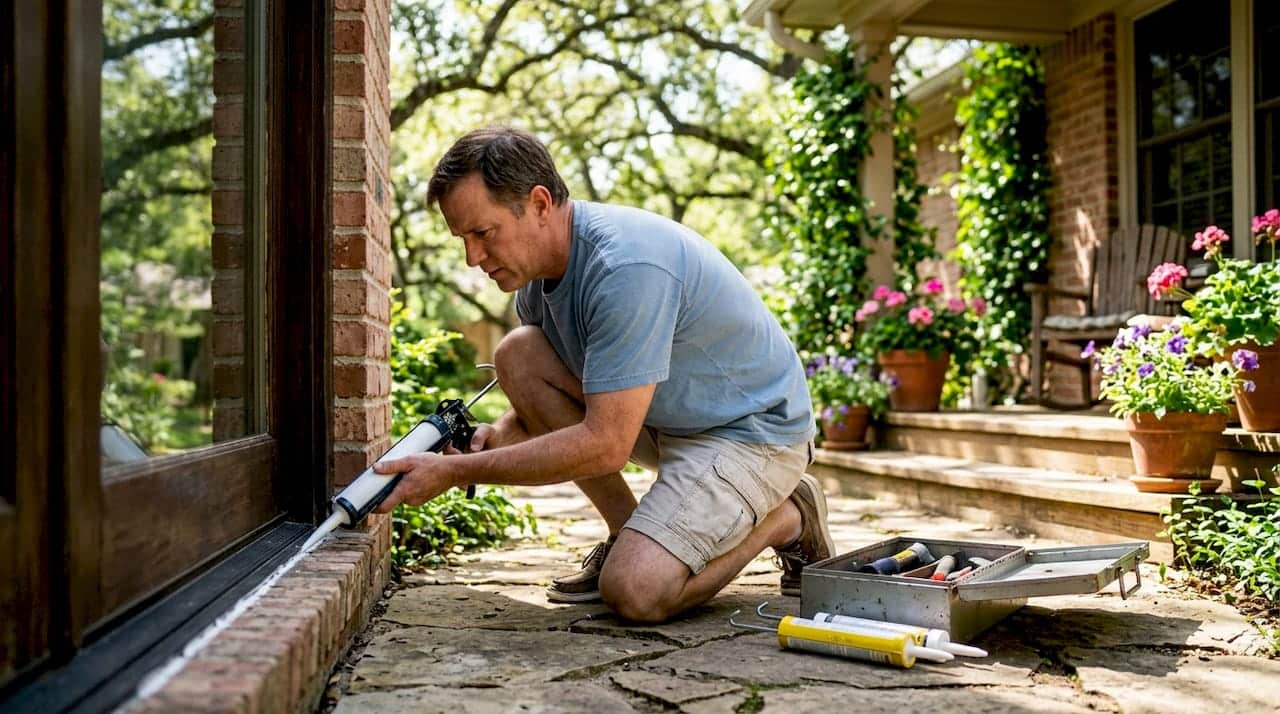
Preventive caulking maintenance is defined as the scheduled inspection, repair, and replacement of sealants around windows, doors, joints, and penetrations before visible damage occurs. Despite covering less than 1% of a building’s surface, caulking is the primary barrier against water intrusion, air leakage, and pest entry. Professional sealant replacement runs $3–$8 per linear foot, while reactive repairs from water damage can reach $5,000 to $50,000 or more. The benefits of preventive caulking maintenance are clear: you pay a fraction of the cost now to avoid a much larger bill later. Kettlecontracting has seen this play out on job sites across the Greater Toronto Area for decades.
1. Stopping water damage before it starts
Water is the single biggest threat to any building’s structure. Caulking acts as the first line of defence at every gap, joint, and seam where water can push through. When that seal fails, moisture reaches wood framing, drywall, and insulation, and the damage compounds quickly.
The most common results of failed caulking include:
- Wood rot around window frames and door sills, which weakens structural members
- Mould growth inside walls, which creates health risks and requires costly remediation
- Drywall damage from repeated wetting and drying cycles, leading to crumbling and staining
- Concrete spalling at exterior joints, where freeze-thaw cycles crack and chip the substrate
Failing sealants cause concrete spalling, wood rot, and steel corrosion, accelerating structural decay across the entire building envelope. Each of those failures is preventable with a scheduled sealing programme.
Pro Tip: Schedule a visual inspection of all exterior caulking every spring, right after the freeze-thaw season ends. Catching small cracks in april costs far less than addressing rot discovered in september.
2. Cutting energy costs with proper sealing
Air leakage through gaps under 6 mm (roughly a quarter inch) is one of the most overlooked sources of heating and cooling loss in Canadian homes. Caulking seals these gaps, reducing drafts and lowering the workload on your HVAC system. Less strain on your furnace and air conditioner means lower energy bills and a longer equipment lifespan.
The energy benefits of maintaining effective caulking include:
- Reduced heat loss through window and door frames in winter
- Lower cooling costs by blocking warm air infiltration in summer
- Improved indoor comfort by eliminating cold spots and drafts near exterior walls
- Extended HVAC equipment life by reducing peak demand cycles
You can estimate your potential savings using Kettlecontracting’s window caulking savings tool before committing to a full service. For a deeper look at how sealing affects your bills, the Kettlecontracting guide on caulking and energy efficiency covers the specifics in plain language.
Stat to know: Proper caulking application requires dry weather and temperatures above 7.2°C for proper curing. Applying sealant in the wrong conditions leads to premature failure and a costly redo.
3. Improving home aesthetics and resale appeal
Buyers and home inspectors notice caulking. Cracked, yellowed, or missing sealant around a bathtub or window frame signals deferred maintenance. It raises questions about what else has been neglected. Fresh, clean caulk lines, on the other hand, communicate that a property has been cared for.
The financial case for regular caulking upkeep is backed by real data. Minor bathroom updates that include re-caulking return approximately 71% of their investment, according to 2026 Cost vs Value data. That is a strong return for one of the least expensive maintenance tasks available to a homeowner.
Here is how to approach caulking for maximum resale impact:
- Re-caulk all wet areas including tubs, showers, and kitchen backsplashes before listing a property.
- Address window and door frames on the exterior, where old cracked caulk signals moisture damage to buyers during walkthroughs.
- Use colour-matched sealant so the finish looks intentional and clean, not patched.
- Hire a professional for visible areas where a neat bead line matters. DIY caulking in high-visibility spots often looks worse than the original problem.
Pro Tip: If you are preparing a rental unit between tenants, re-caulking the bathroom takes a few hours and dramatically improves the perceived cleanliness of the space. It is one of the highest-impact, lowest-cost refreshes available.
4. Blocking pest entry points
Insects and rodents enter buildings through the same gaps that let in air and moisture. Caulking those gaps removes the invitation. Proper caulking seals entry points against ants, spiders, and other common pests, acting as a first defence before professional pest control becomes necessary.
Common pest entry points that caulking addresses include:
- Gaps around pipe penetrations through exterior walls, where mice and insects enter freely
- Cracks in foundation sill plates, a common entry point for carpenter ants
- Gaps at window and door frames, used by spiders, earwigs, and wasps
- Unsealed expansion joints at building corners and floor-wall transitions
Caulking is not a replacement for a professional pest management programme, but it reduces the frequency and severity of infestations. Fewer pests mean fewer treatments, less chemical exposure, and a cleaner indoor environment for occupants.
5. Protecting structural integrity over the long term
A building’s structure depends on its joints staying sealed. Expansion joints, in particular, are designed to flex with temperature changes. When the sealant in those joints fails, water and debris fill the gap, and the movement that was supposed to be absorbed instead cracks the surrounding material.
Proactive sealing and scheduled maintenance prevent the cascading failures that come from neglected joints. The table below shows how neglect at the joint level translates into structural damage over time.
| Neglected area | Resulting damage | Typical repair cost range |
|---|---|---|
| Window frame joints | Wood rot, mould, drywall damage | $1,500–$8,000 |
| Expansion joints | Concrete spalling, substrate cracking | $5,000–$30,000 |
| Exterior wall penetrations | Water infiltration, insulation damage | $3,000–$15,000 |
| Foundation sill joints | Structural framing damage | $10,000–$50,000+ |
Professional guidelines recommend annual visual inspections of all sealants, with full replacement every 5–7 years in harsh climates. Adhesion testing every three years is also advised for commercial properties. Ontario’s freeze-thaw cycle puts caulking under significant stress, making that schedule a practical minimum rather than a conservative suggestion.
6. The cost-effectiveness of scheduled maintenance versus reactive repairs
The financial argument for preventive sealing is straightforward. A $2,000 preventive sealant replacement can prevent over $20,000 in subsequent water damage repairs. That is a 10-to-1 return on a maintenance investment, before accounting for the disruption, displacement, and insurance complications that major water damage brings.
Professional caulking runs $3–$8 per linear foot for standard residential applications. A typical home might have 200–400 linear feet of caulkable joints across windows, doors, and exterior penetrations. That puts a full professional re-seal in the range of $600–$3,200, depending on property size and complexity. Compare that to the average cost of mould remediation, structural drywall replacement, or foundation repair, and the math is not close.
Reactive caulking replacement after visible water damage is always more expensive than scheduled replacement before damage occurs. The damage itself adds cost, but so does the urgency. Emergency repairs carry premium pricing, and the underlying substrate often needs treatment before new sealant can be applied.
For property managers overseeing multiple units, scheduling caulking maintenance on a fixed cycle reduces both repair costs and tenant complaints. A window caulking maintenance checklist helps keep inspections consistent across a portfolio.
7. Applying caulking correctly for lasting results
Good caulking does not just mean buying the right product. Application technique determines how long the seal holds. Proper caulking application requires dry weather, temperatures above 7.2°C, low humidity, and thorough surface preparation. Skipping any of those steps shortens the sealant’s life significantly.
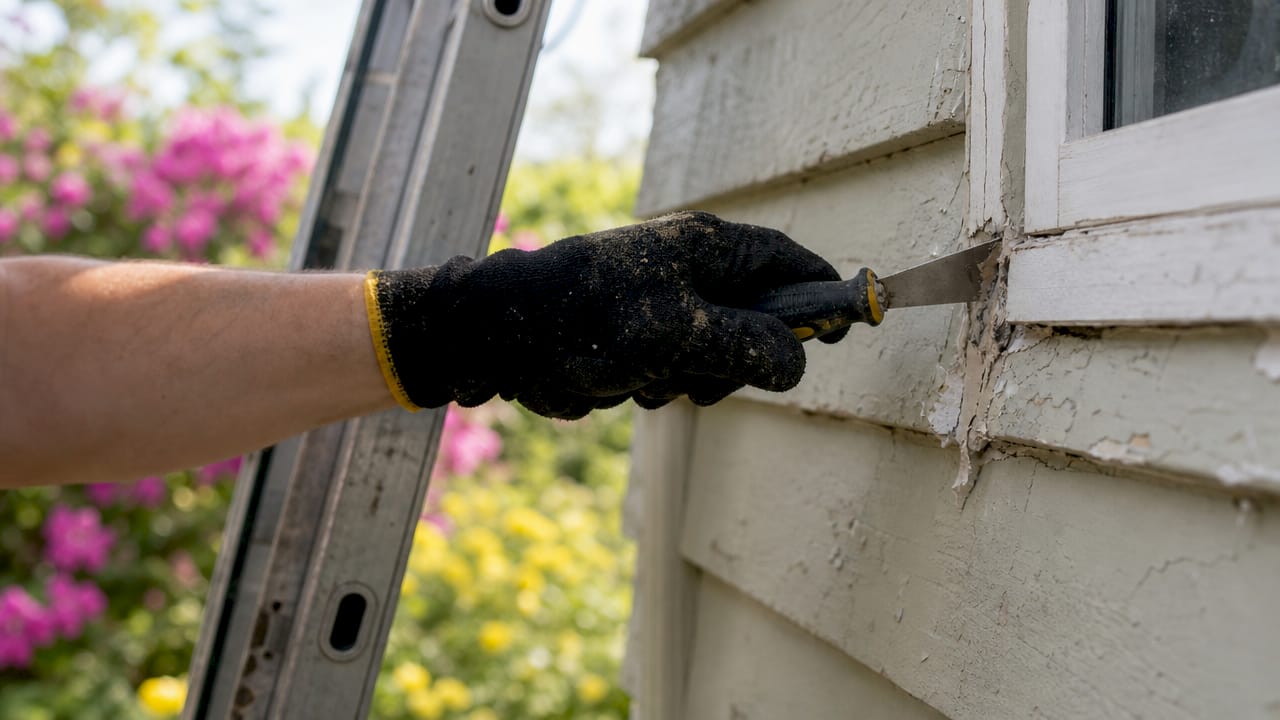
Surface preparation is the step most often skipped. Applying new caulk over old residue is one of the most common mistakes Kettlecontracting sees on properties that have had previous work done. The Ontario freeze-thaw cycle demands silicone-based sealants in most exterior applications, because silicone maintains flexibility through repeated temperature swings where acrylic products crack and pull away.
Preparation steps that determine whether a caulking job lasts include:
- Removing all old sealant residue completely, down to the substrate
- Cleaning the surface with isopropyl alcohol to remove oils and contaminants
- Allowing the surface to dry fully before applying new sealant
- Applying in appropriate weather conditions and allowing full cure time before exposure to rain
Cutting corners on preparation is the main reason homeowners end up re-caulking the same spots every year. Done correctly, a professional silicone application in the right conditions should last 7–10 years in Ontario’s climate.
Key takeaways
Preventive caulking maintenance is the most cost-effective way to protect a property from water damage, energy loss, pest entry, and structural deterioration before those problems become expensive repairs.
| Point | Details |
|---|---|
| Water damage prevention | Caulking stops moisture at the source, preventing wood rot, mould, and drywall damage. |
| Energy savings | Sealing gaps under 6 mm reduces HVAC load and lowers heating and cooling costs year-round. |
| Resale value | Minor updates including re-caulking return approximately 71% of investment at resale. |
| Structural protection | Scheduled sealant replacement prevents cascading failures in joints, concrete, and framing. |
| Cost ratio | A $2,000 preventive seal can prevent over $20,000 in reactive water damage repairs. |
What 25 years on the job taught me about caulking
People consistently underestimate caulking. They see it as a finishing touch, something you do at the end of a renovation and then forget about. After 25 years working on properties across Oshawa and the GTA, I can tell you that attitude is exactly what leads to the $30,000 repair bills.
The properties I see with the worst water damage almost always have one thing in common: the caulking was done once and never touched again. Sealant has a lifespan. Ontario’s winters are hard on it. The freeze-thaw cycle pulls at joints, UV breaks down the surface, and what looked fine in the fall is cracked by spring. Treating caulking as a one-time job is like changing your oil once and expecting it to last the life of the vehicle.
The other mistake I see constantly is poor surface prep. Homeowners apply new caulk over old, cracked sealant and wonder why it fails within a year. The old material needs to come out completely. The surface needs to be clean and dry. That is not optional. It is what separates a seal that lasts a decade from one that peels off by next summer.
My honest advice: put caulking on your annual maintenance calendar the same way you schedule furnace servicing or eavestrough cleaning. It costs very little done proactively. Done reactively, after water has already gotten in, it costs a great deal more.
— Felix
Kettlecontracting’s approach to protecting your property
Kettlecontracting works with homeowners and property managers across the Greater Toronto Area who want caulking done properly the first time. The team brings the same attention to surface preparation, product selection, and application technique to every job, whether it is a single window or a full building envelope.

If you are preparing a property for sale, managing a rental portfolio, or simply want to get ahead of water damage before it starts, Kettlecontracting’s window preparation guide is a practical starting point. For properties with existing issues, the construction defect caulking examples page helps you identify what to look for before calling in a professional. Reach out to Kettlecontracting directly to arrange an assessment and get an honest quote.
FAQ
How often should caulking be replaced?
Professional guidelines recommend annual visual inspections and full sealant replacement every 5–7 years in harsh climates like Ontario’s. Properties with significant freeze-thaw exposure may need replacement sooner.
Does caulking actually lower energy bills?
Yes. Caulking seals gaps under 6 mm where conditioned air escapes, reducing the load on your heating and cooling system. The savings depend on the number and size of gaps sealed.
What is the cost difference between preventive and reactive caulking?
A preventive sealant project typically costs $3–$8 per linear foot. Reactive repairs after water damage has occurred can run $5,000 to $50,000 or more, depending on the extent of structural damage.
Can caulking stop pests from entering a home?
Caulking seals the gaps that ants, spiders, and rodents use to enter buildings. It is not a replacement for professional pest control, but it reduces entry points and lowers infestation frequency.
Does fresh caulking improve a home’s resale value?
Re-caulking is one of the lowest-cost, highest-visibility updates a homeowner can make before listing. Minor bathroom updates that include re-caulking return approximately 71% of their cost at resale.