
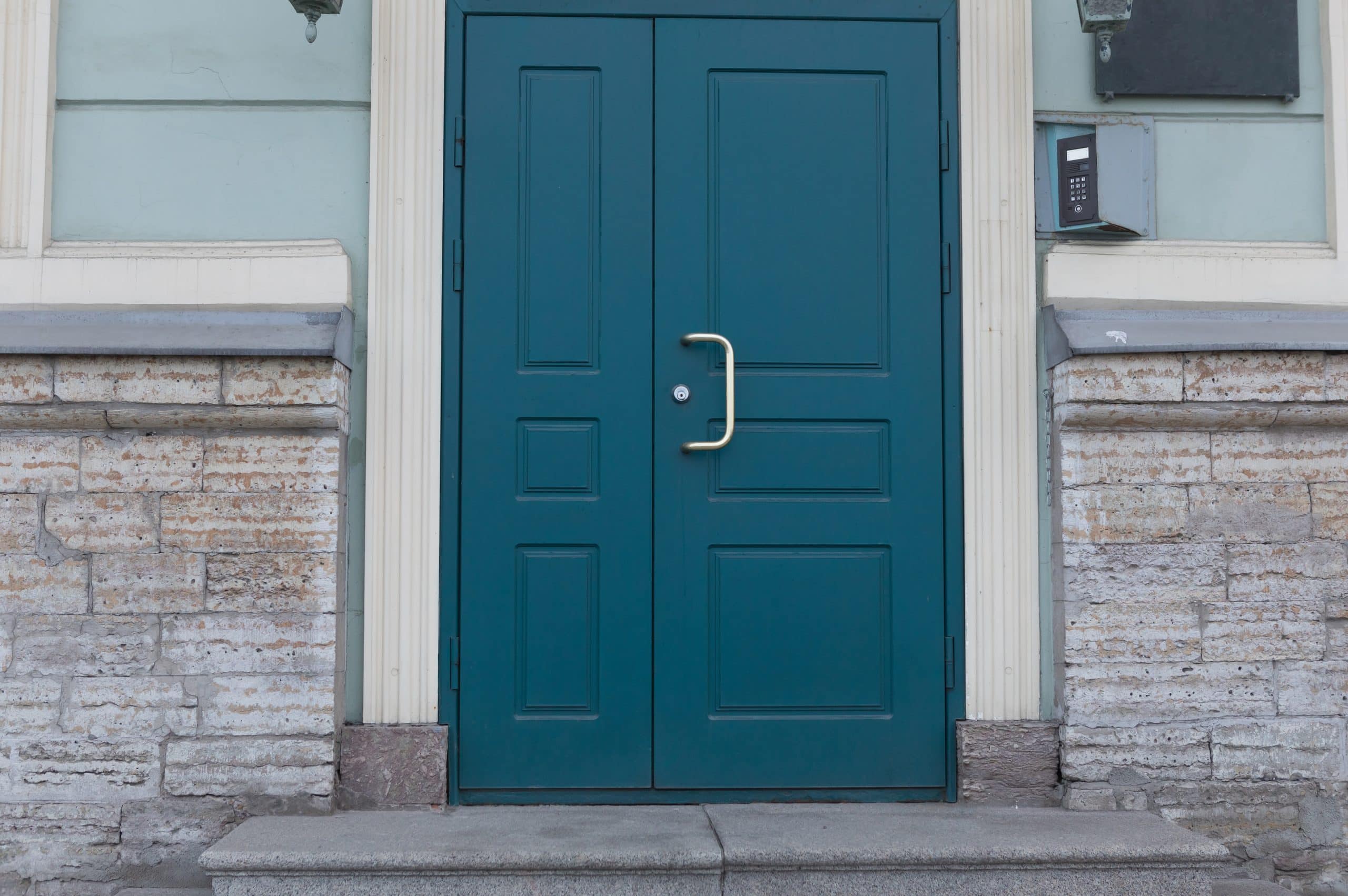
When heavy rain hits Oshawa, Ajax, Pickering, or Toronto, the first weak point we see in most homes is the door frame. Even a small gap around your door can let water inside fast. Homeowners often ask us: Can door caulking protect against flooding? The short answer is yes—good caulking helps, but only when it’s done right and paired with the right waterproofing steps. Here’s what we’ve learned after years of fixing soaked thresholds and damaged flooring across the GTA.
Can Door Caulking Protect Against Flooding? Entryway Waterproofing Explained
Door caulking flood prevention is one of the simplest ways to block water from creeping into your home. We use waterproof sealing around the frame, trim, and threshold to close off tiny openings you may not notice. These gaps look small, but during a storm they can act like funnels. Proper caulking works like a basic flood barrier that reduces the amount of water reaching your entryway.
Door Caulking for Flood Prevention: Does It Really Work?
We’ve seen many homeowners rely on caulking alone and stay dry during moderate storms. For one client in Pickering, updating the exterior door caulking replacement around the bottom corners stopped a recurring leak that had damaged their laminate flooring twice. But we also make it clear: caulking supports flood prevention, not full protection during extreme flooding. It strengthens your door base protection where it matters most.
Waterproof Sealing for Doors: How Caulking Helps Stop Minor Flooding
Good caulking helps in three ways:
• It seals air gaps that water can run through
• It reinforces the threshold where most leaks begin
• It keeps wind-driven rain from sneaking behind the trim
When combined with door threshold waterproofing service, these simple fixes protect the spots that fail first during storms.
Flood Barrier Basics: Can Proper Door Caulking Keep Water Out?
Think of caulking as your first line of defense. It won’t replace sandbags or full flood barrier systems for major water events, but it absolutely reduces water intrusion in light to medium flooding situations. If your home sits lower than the street, this step becomes even more important.
Door Base Protection 101: Seal Your Entryway Against Water Intrusion
The door base is where most leaks start. Wood swells, old caulk cracks, and gaps form between the threshold and subfloor. We’ve repaired doors where you could see daylight under the sill—water had been flowing straight inside. With professional door base protection, we seal:
• Bottom corners
• Sill edge
• Joints around the frame
• Any exposed trim seams
Each spot works together to block water movement.
How to Waterproof Your Door Frame: Caulking Tips for Flood Prevention
If you’re inspecting your door yourself, here’s what to check:
• Look for peeling caulk along the brickmould
• Check for small cracks where the frame meets the wall
• Press lightly on the threshold—if it moves, water is likely getting underneath
We’ve tested many caulking products over the years, and flood-resistant caulking installation always performs best when the surface is clean, dry, and primed. Even the strongest product fails if applied over dirt or soft wood.
Door Threshold Caulking for Flooding: What Homeowners Need to Know
Thresholds take the most punishment. Weather, foot traffic, and temperature swings cause gaps to open. If the caulk around the threshold is missing or brittle, water will find its way in. Professional entryway caulking contractors use flexible materials that move with the wood and metal, so the seal stays strong.
Entryway Flood Protection: Caulking vs. Other Waterproofing Methods
Caulking is effective, affordable, and fast, but it works even better when combined with:
• Door sweeps
• Drip caps
• Weatherstripping
• Proper grading
• Flood barriers for severe weather
For many families in Ajax and Oshawa, we layered waterproof sealing for doors with simple adjustments like raising the threshold slightly—and the results were immediate.
Signs Your Door Needs New Caulking Before Flood Season
Watch for:
• Cracking or peeling caulk
• Soft or wet wood around the frame
• Gaps wider than a credit card
• Drafts around the sides of the door
• Water marks on the floor near the threshold
If you spot any of these, it’s time to call for door caulking flood prevention services.
Caulking as a Flood Barrier: How to Reduce Water Damage at Your Front Door
Good caulking won’t stop a major flood, but it can drastically reduce water damage during early or minor flooding. Many Toronto-area homeowners tell us they wished they had sealed their doors sooner. A simple update could prevent warped floors, mould growth, or repairs that cost thousands.
When You Need Professional Help
If you want long-lasting results, hire a local expert. A pro can identify hidden gaps, test for moisture, and install waterproof sealing correctly. Homeowners often search for help using terms like:
• waterproof door sealing near me
• door threshold waterproofing service
• professional door base protection
• home waterproofing caulking estimate
If you’re in Oshawa, Ajax, Pickering, or Toronto, our team handles everything from flood barrier door sealing repair to exterior door caulking replacement.
Ready to Protect Your Home?
If you want stronger flood protection at your entryway, we can help. Kettle Contracting provides fast, reliable, and affordable door caulking flood prevention services across Oshawa, Ajax, Pickering, and Toronto. Reach out today to book an inspection and get a clear, simple home waterproofing caulking estimate.
More Information:
Keeping The Heat In – Section 8: Upgrading windows and exterior doors – Natural Resources Canada