
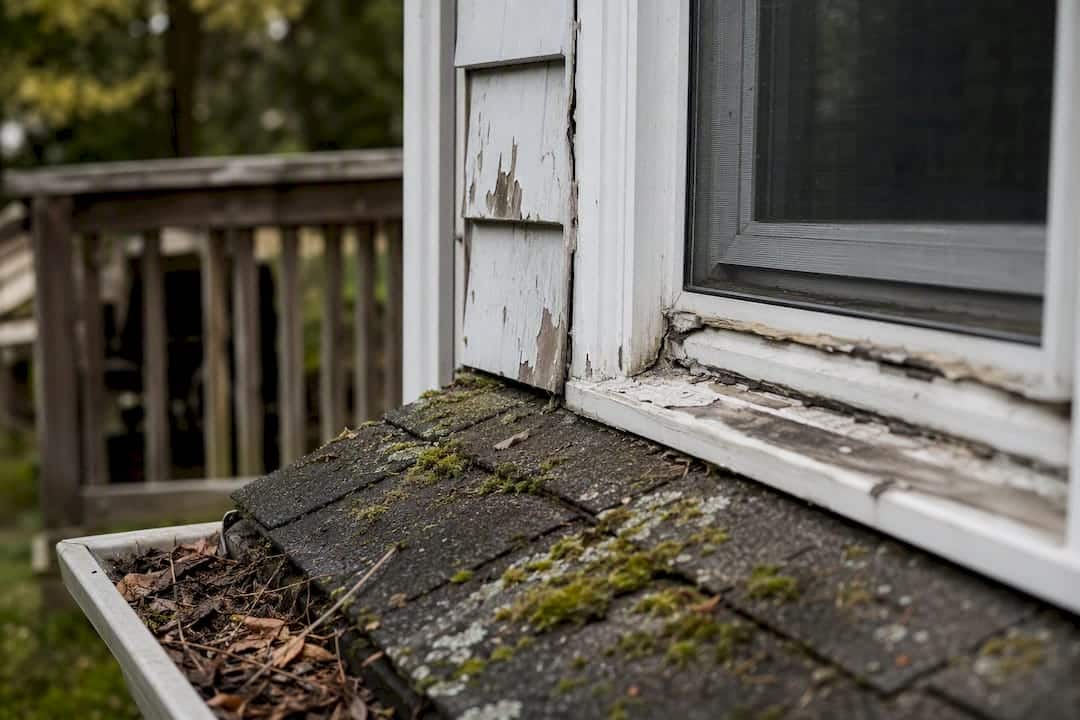
The costliest deferred maintenance red flags buyers notice share one thing: they’re rarely the problem itself, just the visible edge of it. Active moisture stains, a roof with more than one layer of shingles, a scorched or overloaded electrical panel, foundation cracks wider than a hairline, HVAC systems all installed the same year, and failed caulking around every window are the six signals that show up again and again in inspection findings across Toronto and GTA properties. The moment you spot one, note it, photograph it, and ask for service records. If you spot three or four together, that’s your cue to bring in a specialist before you go any further.
Use this as your mental checklist walking through a property:
- Water stains, efflorescence, or musty odour in the basement or crawlspace
- Roof with visible sagging, granule loss, or multiple shingle layers
- Electrical panel with rust, DIY wiring, or missing breaker labels
- Cracks in the foundation wider than 3mm or stair-step patterns in brick
- Furnace, AC, and water heater all original or clearly the same age
- Cracked, missing, or painted-over caulking at every window and door
Key Takeaways
Deferred maintenance red flags rarely appear alone, so buyers who read clusters of small signals catch bigger problems before closing, not after.
| Point | Details |
|---|---|
| Watch for clustering | Multiple worn systems or repeated water stains signal deferred maintenance, not isolated wear. |
| Prioritize safety first | Electrical and active moisture issues need specialist quotes before cosmetic items get any attention. |
| Pull records early | Permits, invoices, and service logs reveal what a fresh coat of paint might be hiding. |
| Negotiate with specifics | Two or three quoted high-cost items land better with sellers than a long cosmetic list. |
| Check the caulking | Failed sealant at windows and doors is an early, cheap-to-miss sign of hidden moisture damage that Kettlecontracting can assess and quote before you close. |
Table of Contents
- What to check during a home showing
- Red flags by system: roof, moisture, electrical, plumbing, and more
- Reading the pattern instead of the single defect
- Prioritizing repairs by risk and cost
- Questions to ask sellers and inspectors
- Turning inspection findings into a negotiation
- What failed caulking tells a contractor like me
- Sources
- FAQ
What to check during a home showing
Start outside before you ever walk through the front door. Gutters packed with debris, downspouts dumping water right next to the foundation, moss creeping across the shingles, peeling paint, a sagging porch, soft deck boards. These are the kinds of things inspectors flag as classic neglect indicators, and they cluster. If the caulking around one window has cracked and separated, check the rest. It’s rarely just one.
Inside, look for water stains on ceilings or around window frames, a musty smell in closets or basements, trim that feels soft when you press on it, and floors that dip or slope. Fresh paint in one room only, or a patch job that doesn’t quite match the surrounding wall, deserves a second look. Sellers sometimes cosmetically cover an active problem rather than fix it.
Photograph anything that looks off, and ask the listing agent directly whether major systems have permits or service records on file. Request those documents before you make an offer, not after.
Pro Tip: Maintenance problems almost never show up alone. If you find one failed caulking joint or one water stain, walk the entire perimeter of the house looking for the same pattern. That’s usually where the real story is.
Red flags by system: roof, moisture, electrical, plumbing, and more
Roof and attic. More than one layer of shingles, curling edges, granule loss in the gutters, and a sagging ridge line all point to a roof near the end of its life. Inside the attic, staining on the sheathing or poor ventilation signals moisture that’s been building for a while. A roofer should confirm remaining life before you close. Spot repairs run $1,000 to $6,000, while full replacement runs $8,000 to $25,000 or more.
Moisture and foundation. Efflorescence, that white chalky residue on basement walls, along with water marks, musty odour, and poor grading are the most expensive deferred maintenance category in older housing stock, because the damage compounds across grading, downspouts, cracks, and finished basements. Waterproofing runs $5,000 to $40,000 or more, and crack repair runs $1,500 to $10,000. Bring in a structural engineer if cracks show stair-stepping or horizontal movement.
Electrical. Knob-and-tube wiring, aluminum wiring, or a panel that looks decades old creates both safety and insurance headaches. Panel or service upgrades run $3,000 to $8,000, and full knob-and-tube replacement runs $10,000 to $30,000. A licensed electrician needs to scope this, full stop.
Plumbing and sewer. Galvanized supply lines, slow drains throughout the house, and staining near plumbing walls suggest an aging system. A camera scope of the sewer line is worth the few hundred dollars before you commit.
HVAC and water heaters. When the furnace, AC, and water heater are all original or clustered around the same install date, budget for them to fail together. Clustered replacement runs $8,000 to $15,000 or more, and that’s a first-year cash-flow risk most buyers don’t plan for.
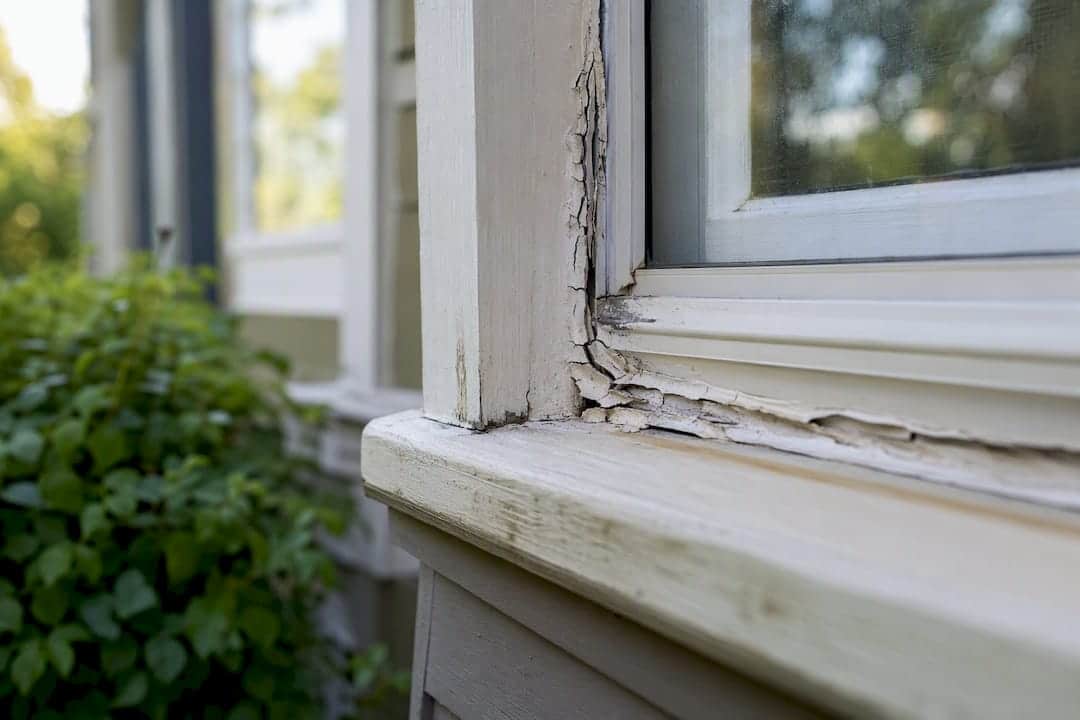
Exterior and caulking. Missing or cracked caulking at windows, doors, and expansion joints is one of the most common yet underpriced red flags on a showing.
Pest and rot signs. Soft wood, droppings, or visible rot near the foundation or roofline almost always trace back to a moisture problem that’s been ignored.
Pro Tip: If you see the same failure repeated at every window sill on a house, that’s not a cosmetic issue anymore. That’s a building envelope problem, and it deserves its own line item in your inspection follow-up.
Reading the pattern instead of the single defect
One cracked caulking joint is a fix. Cracked caulking at every window, plus a musty basement, plus a furnace older than the house’s siding, is a pattern. That pattern is what separates ordinary wear from true deferred maintenance, deterioration that built up because upkeep was skipped, not because something was built wrong.
A single quotable item rarely changes your offer much. A cluster of similar-age systems, recurring water stains, or the same vendor’s invoice showing up three times for the same repair tells you the sellers were managing symptoms, not fixing causes.
Pro Tip: Ask for permits and invoices, not just verbal assurances. A permit pulled for a roof replacement six years ago tells you far more than a seller saying “the roof’s fine.”
Prioritizing repairs by risk and cost
Work through findings in this order: safety first, then active moisture, then clustered system age, then cosmetic items last. A cracked panel or exposed wiring gets fixed before closing. A roof with five years of life left gets a specialist quote and a negotiated credit. Peeling paint waits.
| Category | Typical cost range | Urgency level |
|---|---|---|
| Moisture / foundation | $1,500–$40,000+ | High to critical |
| Roof | $1,000–$25,000+ | High |
| Electrical | $3,000–$30,000+ | Critical |
| Sewer / plumbing | $1,500–$10,000+ | Medium to high |
| HVAC (clustered) | $8,000–$15,000+ | Medium |
| Caulking / envelope | Costs vary from minor repairs to larger sealing jobs | Medium |

Call a structural engineer for foundation movement, a roofer for anything roof-related, a licensed electrician for panel or wiring concerns, a plumber for sewer and drain issues, and a certified caulking contractor for envelope and window-seal problems. For any item over a few thousand dollars, get two estimates. Insurance adjusters and lenders often want documented quotes anyway, and understanding how repair estimates get built helps you know if a number is realistic.
Questions to ask sellers and inspectors
Ask directly: “What’s the age of the furnace, water heater, and roof, and do you have the permits or invoices?” Ask if there have been any water leaks, repeated repairs, or rental contracts on equipment like the water heater. Ask the inspector to point out anything they’d classify as ongoing neglect versus a one-time defect.
Request these documents before firming up an offer:
- Permits for any major renovation or system replacement
- HVAC and water heater service and installation records
- Roof or gutter repair invoices
- Sewer-camera inspection reports, if available
- Any maintenance logs the seller has kept
Ask for serial numbers and dates, not just “it’s newer.” Vague answers usually mean there’s nothing to show.
Turning inspection findings into a negotiation
Manageable issues (aging caulking, minor gutter repairs) become a quote-and-credit conversation. Anything needing a specialist quote, like foundation cracks or an old panel, should trigger a firm condition in your offer. A cluster of major systems failing together is grounds for real renegotiation. If the risk can’t be reasonably priced, that’s when walking away is the right call.
Contractor estimates focused on your top two or three high-cost items get taken more seriously by sellers than a long list of minor cosmetic complaints. Insist on repairs before closing only for safety items: active leaks, exposed wiring, structural movement. Everything else can usually be handled as a credit.
Pro Tip: After you get your inspection report, rank every item by cost and safety risk before you talk to your agent. Sellers respond better to three specific, quoted items than to a fifteen-line wish list.
What failed caulking tells a contractor like me
Twenty-five years of crawling around window sills teaches you where water actually gets in. A cracked bead, adhesion failure where caulk has pulled away from the frame, stretch lines, or paint applied right over old sealant all point to the same thing: the building envelope has a gap it shouldn’t have.
Open joints at the sill and head of a window are the worst offenders, since water pools there and finds its way into the wall cavity. That’s how rot, mould, and soaked insulation start, long before anyone sees a stain on drywall.
Ask a caulking contractor to check for:
- Adhesion at both edges of the joint, not just visible cracking
- Compressed or crushed joints from settling or movement
- Consistent bead width and depth around the full perimeter
- Signs that caulk was painted over rather than replaced
Pro Tip: Press a fingernail into the caulk bead. If it’s brittle, cracks, or pulls away clean, it’s done. A simple re-caulk fixes surface wear, but if the substrate underneath is soft or stained, that’s a bigger repair job, and you should understand how those costs escalate before you assume it’s minor.
A contractor’s honest read on what buyers miss
Most buyers focus on the roof and furnace because those are big, expensive items. What they walk past is the caulking, and that’s usually the first thing to fail and the last thing anyone budgets for. If the seals are shot, water’s already getting somewhere it shouldn’t.
Get a caulking and building-envelope check before you close
If a showing turned up cracked seals, water stains near windows, or caulking that’s been painted over more times than it’s been replaced, get a second set of eyes before you commit to that offer. Kettlecontracting sends a specialist to walk the exterior, check every window and door joint, and give you a written defect report with a real quote, not a guess scratched on a business card. That report becomes leverage in your negotiation and a clear scope if repairs are needed after closing.

A pre-closing envelope check typically covers window and door perimeters, expansion joints, and any visible sealant failure the inspector flagged. If you’re weighing whether a joint needs a simple re-caulk or a full substrate repair, find out why caulking is trade-specific work worth getting right the first time, especially with Ontario’s freeze-thaw cycles working against a bad seal every winter. Request a quote and get a straight answer on scope before your conditions expire.
Sources
For inspection standards and legal distinctions, review how deferred maintenance differs from a construction defect. For a field-tested prioritization approach, the deferred maintenance field checklist walks through combining visual checks with records. Cost bands and GTA-specific red flags come from the home inspection red flags guide, and for a broader look at visible neglect indicators, see what inspectors look for. Investors comparing deal risk may also find the real estate red flags checklist useful for cost prioritization.
- Home inspection red flags in Toronto & GTA homes
- Deferred Maintenance vs. Construction Defect in Home Inspection | National Home Inspection Authority
- How to identify deferred maintenance properties: a field checklist | Shovld Blog
- What we look for (and what we don’t): neglect & deferred maintenance — long-term red flags
FAQ
What are the most common deferred maintenance red flags buyers notice?
Active moisture stains, roof wear, an aging electrical panel, foundation cracks, clustered HVAC ages, and failed caulking around windows are the six signals inspectors flag most often.
How much does fixing deferred maintenance typically cost?
Costs vary widely by category: waterproofing runs $5,000 to $40,000, roof replacement runs $8,000 to $25,000, and electrical panel upgrades run $3,000 to $8,000.
Is deferred maintenance the same as a construction defect?
No. Deferred maintenance is deterioration from lack of upkeep, while a construction defect involves installation or design that failed to meet standards.
Should I walk away if I find several red flags at once?
If the risk can’t be reasonably quoted, such as unclear structural movement or extensive unpermitted work, walking away is often the safer call than gambling on an unpriced repair.
Can failed caulking really cause serious damage?
Yes. Cracked or missing caulking at window sills lets water into the wall cavity, leading to rot, mould, and insulation damage. Kettlecontracting can assess sealant condition and scope the repair before it becomes a bigger problem.