
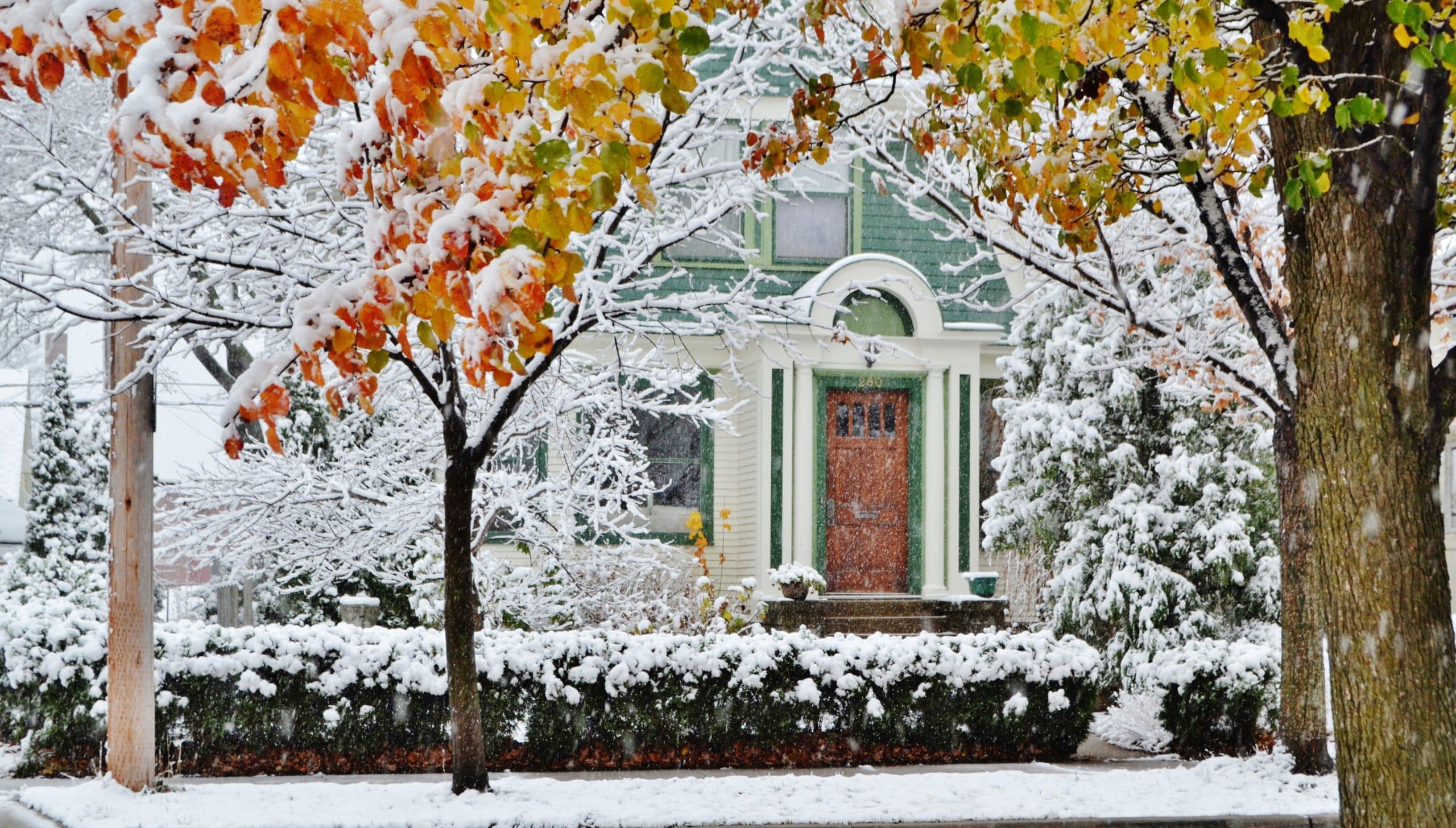
Winter in Ontario is tough on homes. We see it every year across Oshawa, Ajax, Pickering, and Toronto. Cold air sneaks in. Moisture freezes. Energy bills climb. One of the simplest ways to protect your home is winter door caulking, yet it’s often overlooked until drafts and ice buildup become impossible to ignore.
Winter Door Caulking Guide: How to Seal Out Cold Air and Moisture
Cold weather door sealing focuses on one thing: stopping gaps before winter finds them. Even small cracks around doors and thresholds let in icy air and moisture. Over time, those gaps expand as materials shrink and shift in freezing temperatures. Exterior door caulking in winter creates a flexible seal that moves with the door while keeping the elements out.
We’ve inspected homes where a credit-card-sized gap at the threshold was responsible for frozen floors, condensation on interior trim, and a noticeable temperature drop in the entryway. Once sealed, homeowners often tell us the space feels warmer the same day.
Does Door Caulking Really Help in Winter? What Homeowners Need to Know
Yes, and we’ve seen the results firsthand. Draft-proof door caulking reduces heat loss, improves comfort, and protects against water damage. According to energy efficiency studies, uncontrolled air leakage can account for up to 30 percent of heat loss in a home. Energy-efficient door sealing targets those weak points directly.
Homeowners often notice benefits like:
- Fewer cold drafts near entry doors
- More stable indoor temperatures
- Lower heating costs over the winter months
- Less condensation and frost buildup
How Cold Weather Affects Door Seals—and How Caulking Prevents Damage
Cold temperatures cause materials to contract. Door frames pull away from siding. Old sealant becomes brittle and cracks. Snow melts during the day and refreezes at night, forcing moisture deeper into gaps. Door caulking for cold climates acts as a barrier that blocks this freeze-thaw cycle before it causes rot or structural issues.
We once worked on a Toronto home where repeated ice buildup at the threshold led to subfloor damage. Door threshold caulking in winter stopped the water intrusion and prevented a much larger repair.
Best Caulking Solutions for Freezing Temperatures and Harsh Winters
Not all products work in extreme cold. Temperature-resistant caulk for doors is designed to stay flexible even when temperatures drop below freezing. In our experience, choosing the right material matters just as much as proper application.
Look for caulking solutions that are:
- Rated for cold-weather installation
- Flexible after curing
- Waterproof and weather-resistant
- Designed for exterior use
Using the wrong product is one of the most common mistakes we see during DIY cold weather door sealing.
Winter Door Sealing Tips: Prevent Drafts, Ice Buildup, and Heat Loss
Effective winter door sealing service focuses on details. Before applying caulk, surfaces must be clean and dry. Old sealant should be removed completely. Applying caulk in a smooth, continuous bead ensures there are no gaps for air or water to enter.
Key areas to seal include:
- Door frames and trim
- Exterior joints where the frame meets siding
- Door thresholds and bottom seams
- Corners where water tends to collect
Cold Weather Door Caulking: Materials, Methods, and Mistakes to Avoid
We’ve seen well-meaning homeowners waste time and money by caulking over frozen surfaces or applying sealant too thinly. Cold weather door caulking requires patience and the right conditions. Skipping prep work or rushing the job often leads to early failure.
Avoid these common issues:
- Applying caulk on wet or icy surfaces
- Using indoor or non-flexible sealant outdoors
- Ignoring threshold gaps
- Waiting until damage is already visible
How to Seal Door Thresholds for Extreme Cold and Snow
Door threshold caulking winter projects deserve special attention. Thresholds take constant abuse from foot traffic, snow, and meltwater. A proper seal prevents leaks and ice buildup that can make entryways slippery and unsafe.
In one Pickering home, sealing the threshold alone eliminated a recurring ice patch just inside the door, improving safety and comfort immediately.
Energy-Saving Door Caulking for Winter: Stop Heat Loss at the Source
Energy-efficient door sealing is one of the most cost-effective winter upgrades. Compared to major renovations, caulking offers fast results with minimal disruption. Many homeowners notice reduced furnace run times and more consistent indoor warmth within days.
Professional Door Caulking for Winter: When DIY Isn’t Enough
While small touch-ups can be DIY-friendly, professional winter door caulking ensures the right materials, correct application, and long-lasting results. We often step in after DIY attempts fail, especially in extreme cold or older homes with shifting frames.
If you’re preparing for winter and want lasting protection, Kettle Contracting provides reliable winter door sealing service across Oshawa, Ajax, Pickering, and Toronto. Our team understands Ontario winters and knows how to protect your home from drafts, moisture, and heat loss. Contact us today to schedule an inspection and winter-proof your doors before the cold sets in.
More Information: