
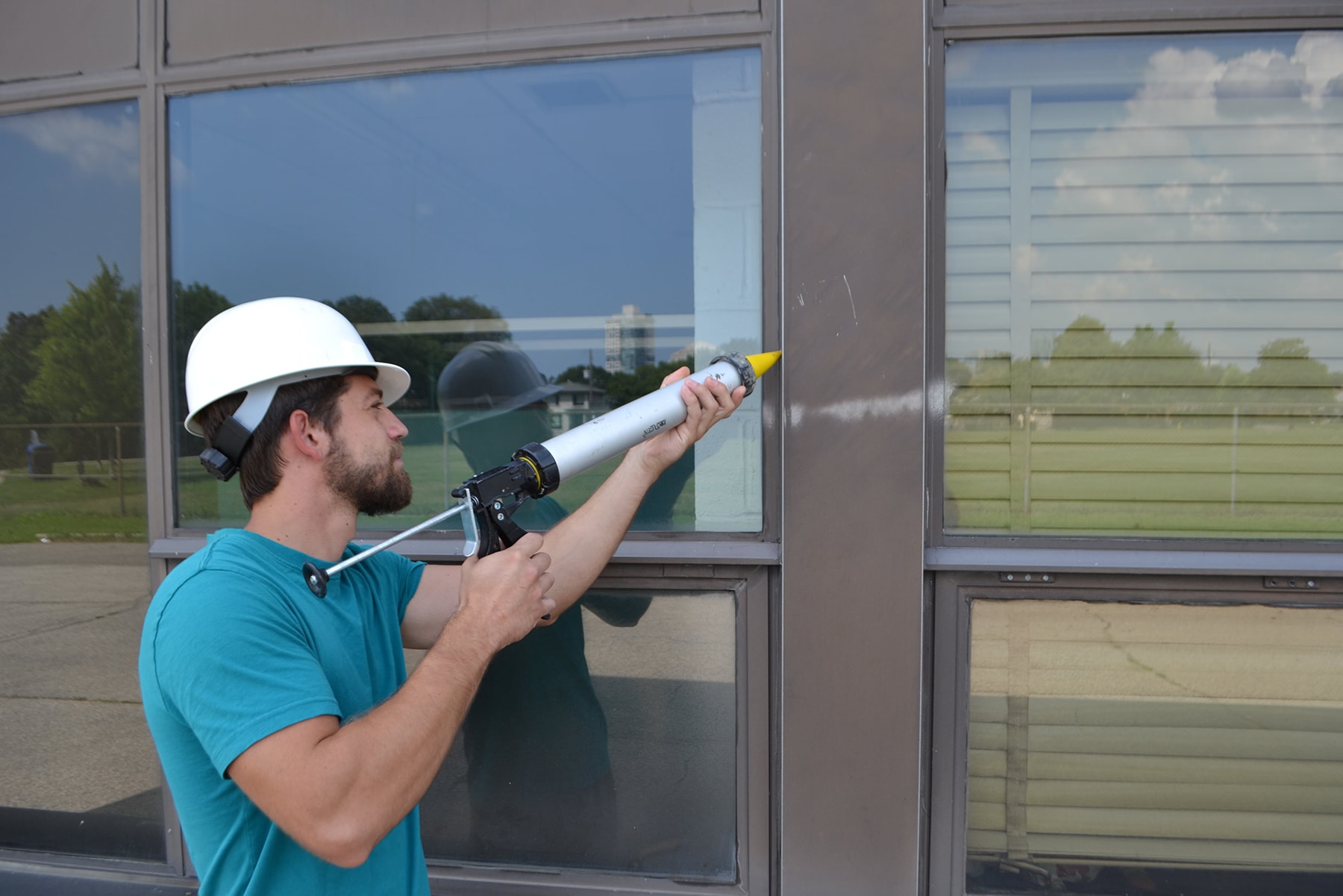
One of the most common questions I get from buyers and property owners is whether caulking metal frames really makes a difference in preventing long-term damage. The short answer is yes—but like most things in real estate and property maintenance, the details matter.
Whether you’re evaluating a home, preparing a property for sale, or managing a commercial space, proper door caulking plays a bigger role than many people expect. It’s not just about appearance—it directly impacts durability, moisture control, and even long-term value.
What Caulking Metal Frames Actually Involves
When we talk about caulking metal door frames, we’re referring to sealing the joints where the frame meets walls, thresholds, or exterior surfaces. These gaps may seem minor, but over time, they allow moisture, air, and contaminants to seep in.
That’s where professional-grade sealing—like the services described in door caulking for metal frame protection—comes into play. The right materials and application methods help:
- Prevent water intrusion
- Reduce air leaks
- Limit corrosion on metal surfaces
- Improve energy efficiency
In my experience, many property owners only notice the issue after visible damage appears—peeling paint, rust, or water staining.
Who Should Pay Attention to Door Frame Caulking?
This isn’t just a concern for contractors. It comes up across nearly every type of client I work with.
First-Time Buyers
Many buyers are surprised to learn that small maintenance details like caulking can signal bigger issues. Poor sealing around metal frames may point to ongoing moisture exposure or deferred maintenance.
Move-Up Buyers
If you’re upgrading to a newer or more expensive property, expectations are higher. Details like properly sealed frames often reflect overall construction quality.
Sellers
Before listing, I often recommend addressing visible gaps or deteriorated caulking. It’s a relatively simple improvement that can positively influence buyer perception during showings and inspections.
Investors
For rental or commercial properties, maintenance efficiency matters. Preventing corrosion and leaks helps reduce long-term repair costs and tenant complaints.
Business Owners (Commercial Spaces)
Metal door frames are especially common in commercial buildings. Without proper sealing, exposure to weather and foot traffic accelerates wear and tear.
Why Metal Frames Are More Vulnerable
Metal is durable, but it’s not immune to damage. In fact, it behaves very differently from wood or vinyl.
- Temperature expansion and contraction can create gaps over time
- Moisture exposure can lead to rust and corrosion
- Improper installation often leaves small openings that worsen with time
In many cases, I’ve seen properties where the structure itself was solid, but small sealing failures led to avoidable repairs.
Common Concerns I Hear From Clients
“Is this something that affects property value?”
It can. While caulking metal frames itself isn’t a major upgrade, visible deterioration around doors can raise concerns during inspections. Buyers often interpret these signs as indicators of broader maintenance issues.
“How does this impact inspections?”
Inspectors typically check for signs of moisture intrusion. Gaps around metal frames, rust, or failed sealant can show up in reports, which may lead to negotiation points.
“Is it expensive to fix?”
In most cases, no. Compared to structural repairs or water damage remediation, caulking metal frames is relatively affordable. The key is addressing it early.
“Does this affect energy efficiency?”
Yes. Poor sealing allows drafts and air leakage, which can increase heating and cooling costs—especially in commercial properties with frequent door use.
Real-World Patterns I See in the Market
In my experience working with both residential and commercial clients, properties that perform well over time tend to have one thing in common: consistent maintenance of small details.
On the flip side, I often see:
- Cracked or missing caulking around metal frames
- Rust forming at the base of doors
- Water pooling near entry points
- Interior damage that started from exterior gaps
What separates smooth transactions from stressful ones is often how well these issues are addressed before listing or purchase.
How This Connects to Broader Property Value
Many clients focus on big-ticket items like kitchens, roofing, or flooring. Those matter, of course. But in many cases, it’s the smaller details—like properly sealed door frames—that signal how well a property has been cared for.
That’s something buyers notice, even if they don’t always articulate it directly.
When you explore properties or prepare one for sale through a trusted real estate and property advisory resource, these details become part of a larger strategy. It’s about presenting a property that feels solid, maintained, and ready for the next owner.
Practical Tips Moving Forward
- Inspect door frames at least once a year
- Reapply caulking when cracks or gaps appear
- Use materials designed specifically for metal surfaces
- Address moisture issues early before corrosion spreads
- Work with experienced professionals when needed
In many cases, proactive maintenance is what protects long-term value—not reactive repairs.
Why Caulking Metal Frames Shouldn’t Be Overlooked
As simple as it sounds, caulking metal frames is one of those small steps that can prevent much larger problems. It’s not just about sealing a gap—it’s about protecting the structure, maintaining efficiency, and avoiding unnecessary costs.
If you’re thinking about buying, selling, or improving a property and want guidance tailored to your situation, you can take the next step through professional door caulking consultation and service support.