
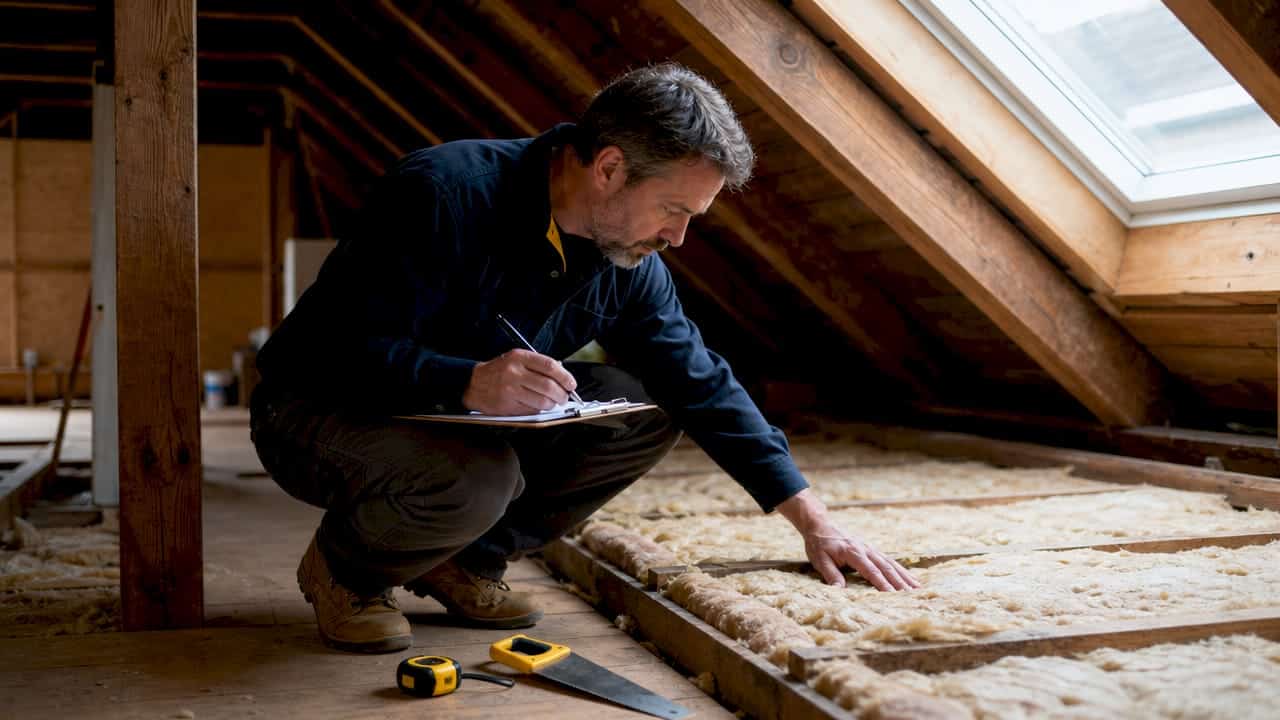
Energy efficiency upgrades are the most reliable way to increase property appeal, raise resale value, and reduce monthly utility costs for Canadian homeowners and property managers. A 2026 study of 1.38 million market data points found that top-rated efficiency classes correlate with up to 32% higher single-family home prices compared to lower-performing equivalents. That is not a marginal gain. For Ontario homeowners dealing with rising energy costs and competitive real estate conditions, the right upgrades pay off in multiple ways: lower bills, stronger appraisals, and buyers who notice the difference the moment they walk through the door.
1. The most impactful energy efficiency upgrades for property appeal
The term “green home enhancements” covers a wide range of improvements, but not all of them deliver equal returns. The upgrades below are ranked by their combined impact on energy savings, buyer perception, and property value.
Attic insulation and air sealing
Attic insulation paired with proper air sealing is the single highest-return upgrade most Canadian homeowners can make. Heating and cooling costs drop by 15% to 30% after a proper attic insulation and air sealing project, with typical payback periods of three to eight years. For a 2,000 square foot home, project costs generally run between $1,500 and $5,000, and many homeowners recover more than 100% of that through savings and rebates combined.
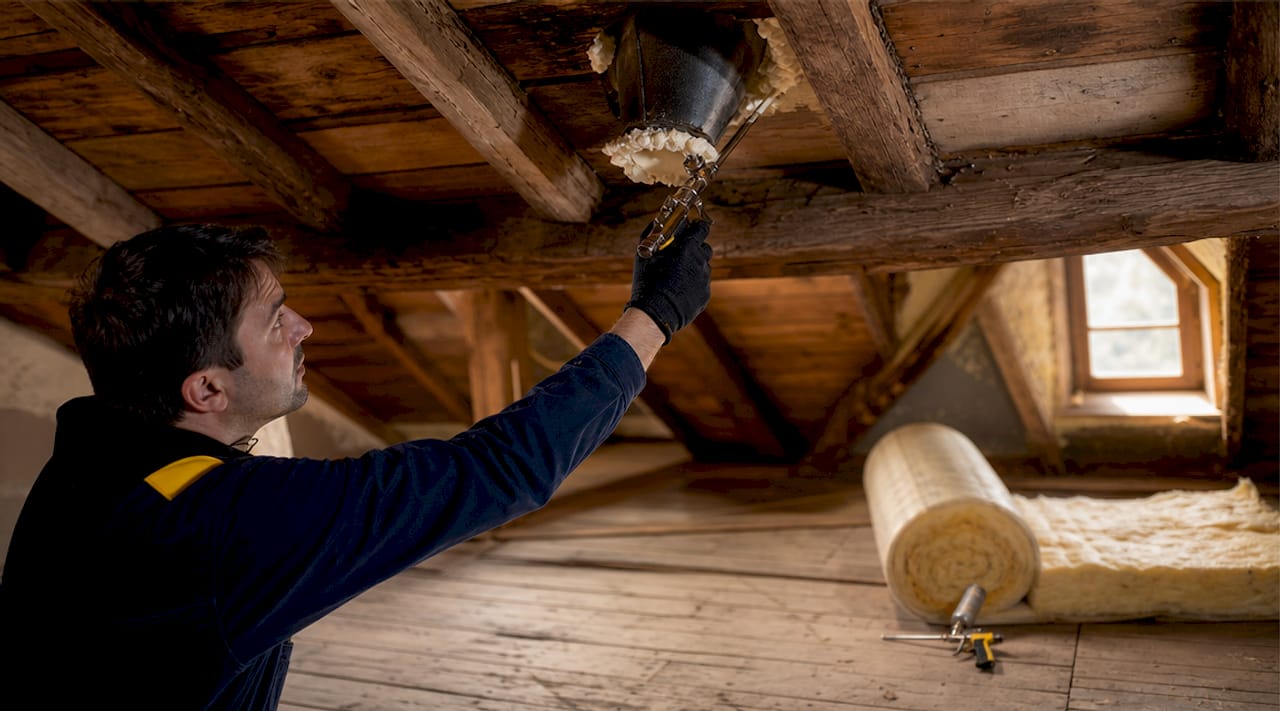
Buyers notice the results immediately. A home that holds temperature evenly, without cold spots near ceilings or drafts along exterior walls, signals quality construction and lower operating costs.
High-efficiency windows and proper window caulking
Replacing single-pane windows with double or triple-glazed units improves both thermal performance and noise reduction. The upgrade matters, but so does the installation. Gaps around window frames are one of the most common sources of air leakage in Canadian homes, and no window performs to its rated specification if the surrounding seal has failed.
Window caulking is a low-cost, high-impact step that supports the full insulation system. Without it, even a premium window installation loses a significant portion of its efficiency benefit.
Modern heat pumps replacing old HVAC systems
Heat pumps are now the standard recommendation for whole-home electrification in Canada. They provide both heating and cooling from a single system, and they operate at efficiencies that gas furnaces cannot match in moderate temperatures. Replacing an aging furnace and central air conditioner with a cold-climate heat pump reduces energy consumption and adds a measurable premium to property value.
Heat pumps and impact-resistant roofing can add a 3% to 5% premium to appraised value. That figure is now being captured by automated valuation models, not just human appraisers.
Heat pump water heaters
Water heating accounts for roughly 20% of a typical Canadian home’s energy use. Replacing a conventional electric or gas water heater with a heat pump water heater cuts that consumption by 60% to 70%. The upfront cost is higher, but federal tax credits and utility rebates frequently offset a large portion of the investment.
This upgrade is often overlooked in favour of more visible improvements, but buyers and appraisers who understand operating costs recognise its value.
Exterior sealing and weatherproofing
Air leakage through gaps around doors, windows, utility penetrations, and expansion joints is responsible for a significant share of heat loss in Canadian homes. Exterior sealing addresses this directly. Proper caulking and air sealing reduces drafts, prevents moisture infiltration, and lowers the load on your heating and cooling systems.
In Ontario’s climate, freeze-thaw cycles degrade sealants faster than in milder regions. Using the right product for each application, and applying it correctly the first time, determines whether the seal lasts three years or fifteen.
Pro Tip: Before investing in a new HVAC system, have a blower door test done. It identifies exactly where air is escaping and tells you which sealing work will deliver the greatest return before you spend money on equipment.
Smart thermostats and energy management systems
Smart thermostats like the Ecobee or Google Nest learn household patterns and adjust heating and cooling schedules automatically. They are inexpensive relative to other upgrades, easy to install, and immediately visible to buyers during a showing. Pairing a smart thermostat with a well-sealed building envelope amplifies the savings from both.
Energy management systems that monitor consumption in real time are increasingly common in new construction and are starting to appear as selling features in resale listings.
2. How energy efficiency upgrades translate into higher property value
The mechanism connecting home energy upgrades to higher property value operates on three levels: appraiser recognition, buyer psychology, and risk perception by lenders.
Efficiency upgrades signal low-risk asset status to lenders and appraisers. A home with documented insulation, sealed windows, and a modern heat pump is less likely to require costly repairs, less likely to have moisture damage, and less expensive to operate. That profile reduces perceived risk, which supports higher valuations.
“Efficiency upgrades are increasingly valued by AI-driven appraisal tools, changing the real estate market in 2026. Automated valuation models now incorporate energy ratings alongside traditional comparables.”
Buyer psychology is equally important. A home that feels comfortable, holds temperature well, and has low utility bills is simply more appealing than one that does not. Buyers who have experienced drafty, expensive-to-heat homes respond strongly to properties that demonstrate the opposite. That emotional response translates into stronger offers and shorter time on market.
Documentation matters more than most homeowners realise. Verified proof of upgrades through photos, receipts, energy audits, and digital logs supports higher appraisals and refinancing opportunities. Without documentation, improvements that cost tens of thousands of dollars may not be reflected in the appraised value at all.
| Upgrade type | Estimated value impact |
|---|---|
| Attic insulation and air sealing | 2%–4% increase in appraised value |
| High-efficiency windows with proper caulking | 1%–3% increase, stronger buyer appeal |
| Cold-climate heat pump | 3%–5% premium, recognised by automated valuation models |
| Heat pump water heater | Modest direct value; strong appeal to cost-conscious buyers |
| Exterior sealing and weatherproofing | Reduces risk profile; supports overall valuation |
3. Financial incentives and rebates that make upgrades affordable
The upfront cost of home energy upgrades is the most common reason homeowners delay. The available incentives in 2026 make that delay expensive.
Federal tax credits in the United States offer up to $3,200 annually for qualifying improvements, including $2,000 for heat pumps or water heaters, $1,200 for insulation and weatherisation, and $600 for high-efficiency windows. Canadian homeowners have access to comparable programmes through the federal government and provincial utilities.
Stacking rebates and incentives can reduce upfront costs dramatically, with some programmes covering 30% to 100% of project costs depending on location and household income. That range is not theoretical. Programmes like Canada Greener Homes Initiative and Efficiency Nova Scotia have covered the full cost of insulation and air sealing for qualifying households.
Key points to understand about incentive programmes:
- Most programmes are first-come, first-served with fixed annual funding. Waiting until autumn to apply for a spring programme often means the funding is gone.
- Stacking federal, provincial, and utility rebates on a single project is permitted in most cases and can dramatically reduce net cost.
- Low-interest financing and on-bill repayment options are available through many utilities, allowing you to pay for upgrades through monthly savings rather than upfront capital.
- Pre-approval or pre-inspection is required by most programmes before work begins. Starting without this step disqualifies you from the rebate.
Pro Tip: Contact your local utility before booking any contractor. Utility rebate programmes are funded to reduce grid demand, and they change frequently. A five-minute call can save you thousands.
4. How to prioritise and sequence upgrades for the best outcome
The order in which you complete energy efficiency upgrades determines how much you spend and how much you save. Getting the sequence wrong is one of the most common and costly mistakes homeowners make.
The correct starting point is always the building envelope. Air sealing and insulation reduce the heating and cooling load on your home before you invest in new equipment. Starting with envelope upgrades means your HVAC contractor sizes the replacement system to the actual reduced load, not the inflated load of a leaky, poorly insulated home. This can reduce the size and cost of the heat pump you need by 20% to 30%.
The recommended sequence looks like this:
- Step 1: Commission an energy audit with a blower door test to identify air leakage points and insulation gaps.
- Step 2: Complete attic insulation and air sealing, including exterior caulking around windows, doors, and penetrations.
- Step 3: Replace windows if they are single-pane or failing. Ensure proper caulking is part of the installation scope.
- Step 4: Replace the HVAC system based on the reduced load calculation from Step 2.
- Step 5: Upgrade the water heater to a heat pump model.
- Step 6: Add a smart thermostat and any energy monitoring equipment.
Electrical panel upgrades are frequently oversold. A licensed electrician should verify capacity through a proper load calculation under NEC 220.83 before any panel work is approved. Load management devices that shed non-critical loads in real time can often eliminate the need for a costly service upgrade entirely.
Document every step with photos, receipts, and energy audit reports. This record becomes a selling asset when you list the property.
5. Comparing upgrades by cost, ROI, and buyer appeal
Not every upgrade fits every budget or property type. This comparison helps you match the right improvement to your goals.
| Upgrade | Typical cost (CAD) | Payback period | Buyer appeal |
|---|---|---|---|
| Attic insulation and air sealing | $1,500–$5,000 | 3–8 years | High; comfort and savings are immediately noticeable |
| Exterior caulking and weatherproofing | $500–$2,500 | 1–3 years | Moderate; supports all other upgrades |
| High-efficiency windows | $8,000–$20,000 | 10–20 years | High; visible and emotionally appealing to buyers |
| Cold-climate heat pump | $10,000–$18,000 | 8–15 years | Very high; recognised by appraisers and buyers |
| Heat pump water heater | $1,500–$3,500 | 3–6 years | Moderate; valued by cost-conscious buyers |
| Smart thermostat | $200–$500 | Under 1 year | Moderate; visible and easy to demonstrate |
Exterior caulking and weatherproofing stands out as the highest-return entry point. The cost is low, the payback is fast, and it amplifies the performance of every other upgrade on the list. Caulking and insulation work together to create an effective air barrier, and neither performs to its potential without the other.
Key takeaways
Energy efficiency upgrades increase property appeal by reducing operating costs, improving comfort, and signalling low-risk asset status to buyers, appraisers, and lenders.
| Point | Details |
|---|---|
| Start with the envelope | Air sealing and insulation deliver the highest return and reduce the cost of all subsequent upgrades. |
| Document every improvement | Verified records of upgrades support higher appraisals and stronger resale offers. |
| Stack available incentives | Federal, provincial, and utility rebates can cover 30%–100% of project costs in qualifying cases. |
| Sequence matters | Completing envelope work before HVAC replacement reduces equipment sizing and total project cost. |
| Caulking amplifies all upgrades | Proper exterior sealing is the lowest-cost, highest-leverage step in any energy efficiency plan. |
What 25 years on the job has taught me about energy upgrades
The most common mistake I see is homeowners spending heavily on new equipment while ignoring the building envelope. A brand-new heat pump installed in a house with failing window caulking and no attic air sealing will never perform to spec. The equipment runs harder, the bills stay high, and the buyer who eventually tours that home will feel the drafts before they see the energy rating.
Ontario’s freeze-thaw cycles are unforgiving. Caulking that was applied incorrectly, or with the wrong product for the substrate, fails within a few seasons. When it fails, air and moisture get in, insulation loses effectiveness, and you end up with repair costs that exceed what proper installation would have cost in the first place. I have seen this pattern on hundreds of properties across the GTA.
The other thing I would push back on is the idea that panel upgrades are almost always necessary when adding a heat pump. They are frequently oversold. A proper load calculation usually shows the existing panel has enough capacity, especially after envelope improvements reduce the heating load. Get the calculation done before approving any electrical work.
My honest advice: treat the building envelope as the foundation of your efficiency plan. Seal it properly, insulate it adequately, and document everything. The upgrades you add on top of that foundation will perform better, cost less to operate, and be far easier to sell.
— Felix
How Kettlecontracting supports your energy efficiency goals
At Kettlecontracting, we specialise in high-performance caulking and exterior sealing for residential and commercial properties across the Greater Toronto Area. Our team understands Ontario’s climate and knows which products and techniques hold up through decades of freeze-thaw cycles. Whether you are preparing a property for sale, completing a full energy retrofit, or addressing specific air leakage problems, we deliver sealing work that lasts.
If you are starting with windows, our guide to preparing windows for caulking walks through every step to get the job done right. For properties with existing issues, our common caulking failures guide helps you identify what needs to be corrected before it becomes a bigger problem. Contact Kettlecontracting to get a professional assessment and a clear, honest quote.
FAQ
Does energy efficiency increase a home’s resale value?
Yes. Research across 1.38 million market data points shows that top efficiency classes correlate with up to 32% higher single-family home prices compared to lower-rated equivalents.
What is the best first energy upgrade for most Canadian homeowners?
Attic insulation combined with air sealing is the highest-return starting point. It reduces heating and cooling costs by 15% to 30% and lowers the load on your HVAC system before you invest in new equipment.
How does caulking contribute to energy efficiency?
Caulking seals gaps around windows, doors, and penetrations that allow conditioned air to escape and outdoor air to enter. Without proper sealing, insulation and new windows cannot perform to their rated specifications.
Are there rebates available for energy efficiency upgrades in Canada?
Yes. Programmes like Canada Greener Homes Initiative and provincial utility rebates can cover 30% to 100% of project costs for qualifying homeowners. Most programmes are first-come, first-served, so applying early is important.
Do appraisers recognise energy efficiency improvements?
Appraisers and automated valuation models increasingly factor in energy ratings and documented upgrades. Verified improvement records through photos, receipts, and energy audits support higher valuations and refinancing opportunities.