
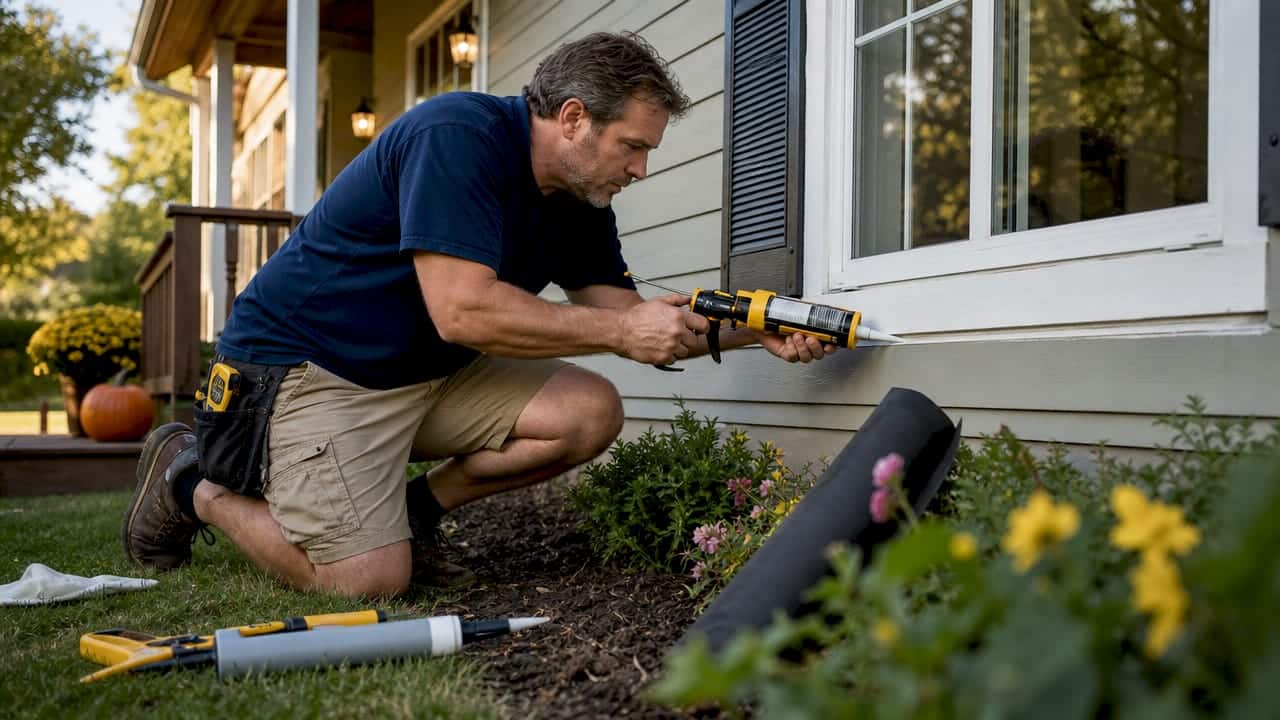
Professional building sealant application, commonly called caulking, is the single most overlooked detail in resale preparation. When buyers and inspectors walk through a property, failing or uneven caulk signals neglect before they even open a tap. The question of why professional caulking over DIY for resale matters comes down to three things: how long the seal lasts, how it looks, and whether you can prove the work was done right. This article breaks down each factor so you can make a confident decision before listing your property.
How does professional caulking extend service life compared to DIY?
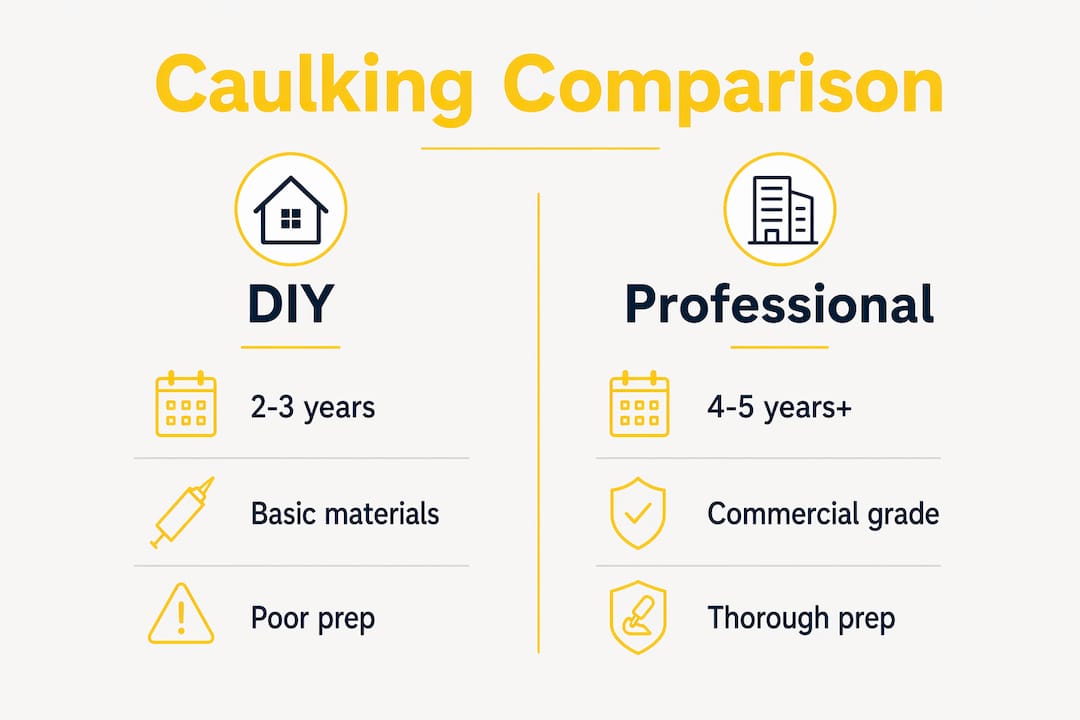
Professional caulking lasts 4–5 years or more, while typical DIY sealing needs reapplication every 2–3 years. That difference matters enormously when you are preparing a property for sale and cannot afford a callback or a failed inspection.
The gap comes down to two things: materials and preparation. Professionals use commercial-grade silicone and polyurethane sealants that flex with seasonal movement and resist moisture far better than the latex caulks sold at most hardware stores. Ontario’s freeze-thaw cycles are punishing. A consumer-grade latex product applied in october can be cracking by march.
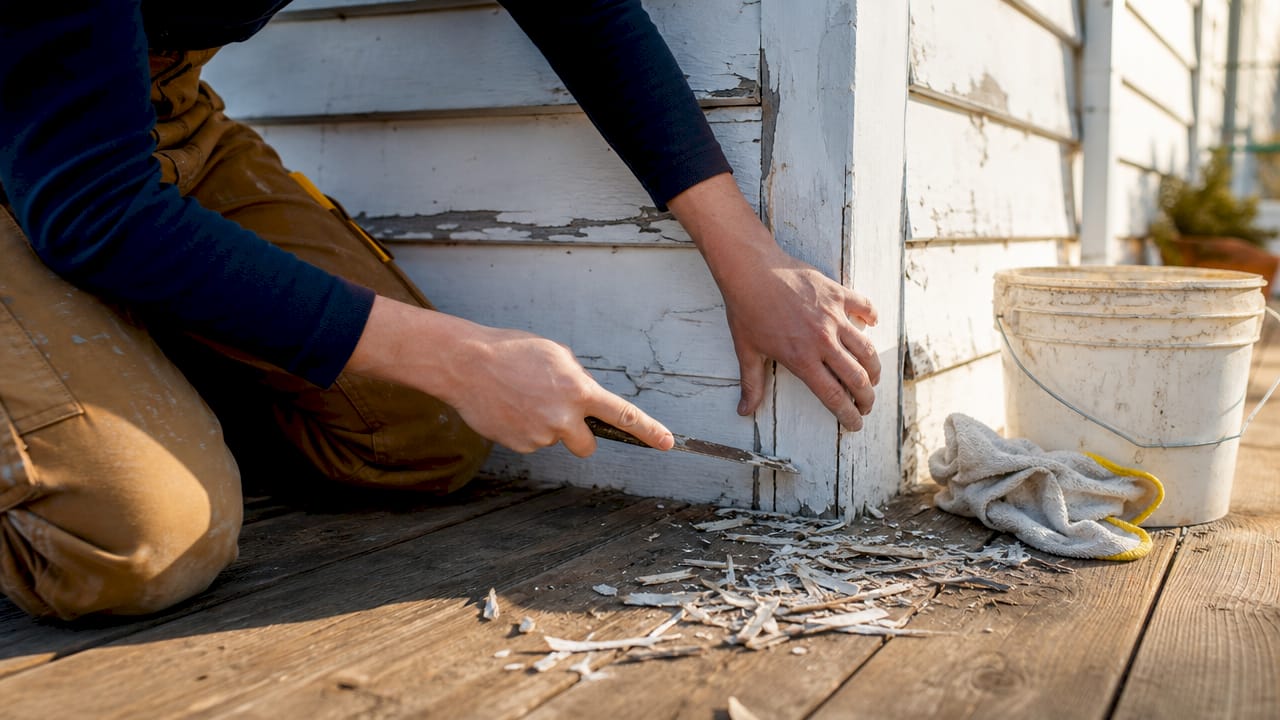
Surface preparation is where most DIY attempts fall apart. Poor surface prep, including leftover moisture, old caulk residue, and microscopic contamination, causes most sealant failures regardless of product quality. Professionals follow a standardised cleaning and assessment process before a single bead is applied. That step alone accounts for a significant portion of the lifespan difference.
| Factor | DIY caulking | Professional caulking |
|---|---|---|
| Typical lifespan | 2–3 years | 4–5 years or more |
| Sealant type | Consumer latex | Commercial silicone or polyurethane |
| Surface preparation | Inconsistent | Standardised and documented |
| Seasonal performance | Prone to cracking | Designed for freeze-thaw movement |
Pro Tip: Before any caulking application, the substrate must be completely dry and free of old sealant. Even a thin film of residue or trapped moisture will cause the new bead to lift within months.
What aesthetic differences affect buyer perception?
Visible caulk inconsistencies signal poor home maintenance to buyers, reducing property value and complicating inspections. Buyers are not caulking experts, but they notice when something looks wrong. Uneven beads, yellowed patches, and colour mismatches read as deferred maintenance, and deferred maintenance reads as risk.
Colour matching is one area where professional work separates itself clearly. Colour-matched caulk blends invisibly with surrounding trim, tile, and siding, maintaining a cohesive finish that buyers associate with a well-maintained home. DIY attempts rarely achieve this. Most homeowners grab a tube of white or clear caulk without considering how it will read against cream-coloured trim or grey stone.
The visual impact of professional caulking shows up in several specific ways:
- Consistent bead width from start to finish, with no bulges or thin spots
- Clean termination points at corners and transitions, with no smearing or tape marks
- Colour-matched product selected to complement the existing surface finish
- No patchy repairs layered over old caulk, which create a raised, uneven appearance
- Absence of cracking or separation that signals age and neglect to inspectors
A home where every joint is clean and consistent tells a buyer that the property has been cared for. That perception carries weight at the negotiating table. You can see the difference that fresh professional caulking makes in before-and-after comparisons.
Why does documentation matter when you are selling a property?
Professional caulking work provides documented evidence through invoices, product specification sheets, and warranties that act as proof of quality maintenance. That paperwork has real value in a resale transaction. Buyers and their agents ask questions. Inspectors flag concerns. Having a paper trail answers both.
Here is what professional documentation typically provides in a resale context:
- Invoice with scope of work confirming which areas were sealed and when
- Product specification sheets showing the sealant grade, expected lifespan, and application conditions
- Warranty details from the contractor covering labour and materials
- Compliance confirmation that work was completed using products appropriate for the application and climate
DIY work provides none of this. If a buyer’s inspector flags a window seal or a bathroom joint, you have no documentation to counter the concern. That gap can cost you in negotiations or, worse, kill a deal entirely.
“Professional caulking serves as a risk management strategy, offering documented evidence that enhances buyer confidence and property marketability.” — Estimates Top
Documented maintenance also supports insurance claims. If water infiltration occurs after a sale closes, a professional caulking record can clarify responsibility and protect both parties. DIY repairs leave that question open. Learning how caulking protects investment property value is worth the time for any investor preparing to list.
What are the most common DIY caulking mistakes that hurt resale?
DIY caulking mistakes fall into predictable patterns. Recognising them helps you understand exactly why professional work outperforms DIY when a property is heading to market.
- Over-caulking joints. Applying too much sealant traps moisture behind the bead. Over-caulking causes paint failure and wood rot, both of which are expensive to repair and immediately visible during inspection.
- Skipping surface cleaning. Applying new caulk over old residue, dust, or damp surfaces guarantees early failure. The new bead lifts within months.
- Choosing the wrong product. Using interior latex caulk on exterior joints, or applying a rigid sealant to a joint that moves seasonally, leads to cracking and separation.
- Inconsistent application speed. Moving the gun too fast creates thin spots. Moving too slow creates bulges. Both outcomes look unprofessional and compromise the seal.
- Caulking over active moisture problems. Sealing a joint that has an underlying leak traps water inside the wall assembly, accelerating rot and mould growth.
Caulking is a performance-critical system managing air, moisture, and thermal stability. It is not simply a cosmetic finish. Treating it as a quick fix is the root cause of most DIY failures. For a detailed look at what poor caulking looks like in practice, the construction defect caulking examples page is a useful reference.
Pro Tip: Never apply caulk over existing caulk that is cracked or separating. Remove the old material completely, clean the substrate, and start fresh. Layering over failed sealant only delays the same failure.
When should you hire a professional caulker instead of doing it yourself?
The decision between professional and DIY caulking depends on the scope of work, the location of the joints, and what is at stake if the seal fails. For resale preparation, the threshold for hiring a professional is lower than most homeowners expect.
| Scenario | DIY appropriate? | Professional recommended? |
|---|---|---|
| Single interior bathroom joint, low traffic | Possibly | Optional |
| Exterior window and door perimeters | No | Yes |
| Full building envelope before listing | No | Yes |
| Multi-unit investment property | No | Yes |
| Historic or custom home with complex trim | No | Yes |
| Any joint exposed to Ontario freeze-thaw cycles | No | Yes |
Exterior joints are the clearest case for professional work. They face UV exposure, temperature swings, and moisture pressure that consumer products and amateur technique cannot reliably handle. A failed exterior seal allows water into the wall assembly, and water damage discovered during inspection is one of the most damaging findings a seller can face.
Professional caulking involves complex micro-decisions on joint design, contamination assessment, and material compatibility that most homeowners have no training to make. The cost of professional labour is modest compared to the cost of a price reduction or a failed sale. For investors managing multiple units, exterior sealant protection is a straightforward way to preserve asset value across a portfolio.
Preventative professional sealing protects homes from structural damage, mould, and energy loss. Those are hidden costs that accumulate quietly and surface at the worst possible time: during a buyer’s inspection.
Key takeaways
Professional caulking outperforms DIY for resale because it delivers longer-lasting seals, a cleaner finish, and documented proof of quality that buyers and inspectors trust.
| Point | Details |
|---|---|
| Longer seal lifespan | Professional caulking lasts 4–5 years versus 2–3 years for DIY, reducing pre-sale rework. |
| Superior materials | Commercial-grade silicone and polyurethane sealants handle Ontario’s freeze-thaw cycles better than consumer latex. |
| Buyer-facing aesthetics | Colour-matched, consistent beads signal a well-maintained home and reduce buyer objections. |
| Documented proof | Invoices, warranties, and product specs give buyers and inspectors confidence in the work. |
| Lower inspection risk | Professional technique avoids over-caulking, moisture trapping, and wrong product selection. |
What I have learned after 25 years of caulking homes before they sell
The homes that sell fastest and with the fewest inspection issues are not always the ones with the newest kitchens or the freshest paint. They are the ones where the details are right. Caulking is one of those details.
I have walked through properties where a homeowner spent a weekend re-caulking every window and bathroom in the house. The effort was genuine. The result was not. Uneven beads, wrong product on exterior joints, new caulk layered over cracked old caulk. Every one of those issues showed up in the inspection report. The seller ended up negotiating down to cover remediation costs that exceeded what professional caulking would have cost in the first place.
The other thing I see consistently is buyers using caulk condition as a proxy for overall maintenance quality. If the caulk looks neglected, they assume the HVAC filter has not been changed either. That assumption may be unfair, but it is real. A clean, professional seal removes that doubt before it forms.
My honest advice for anyone preparing to list: do not treat caulking as a line item to cut. Treat it as part of your inspection preparation. Hire a professional for all exterior joints, bathrooms, and kitchens. Get the documentation. Put it in your disclosure package. That combination of quality and proof is worth more than the cost of the work.
— Felix
How Kettlecontracting supports your resale preparation
Kettlecontracting specialises in professional caulking for residential and investment properties across the Greater Toronto Area. Every project uses commercial-grade sealants selected for the specific joint type, substrate, and exposure conditions.
The work comes with full documentation, including product specification sheets and labour warranty details, giving you exactly what buyers and inspectors want to see. Whether you are preparing a single-family home or a multi-unit portfolio, Kettlecontracting delivers consistent, clean results that hold up through Ontario’s seasons. For a detailed look at what proper preparation involves, the window caulking preparation guide is a practical starting point. Contact Kettlecontracting for an honest assessment and a clear estimate before your listing date.
FAQ
How long does professional caulking last compared to DIY?
Professional caulking lasts 4–5 years or more, while DIY sealing typically requires reapplication every 2–3 years. The difference comes from commercial-grade materials and proper surface preparation.
Does caulking quality actually affect home resale value?
Visible caulk inconsistencies signal poor maintenance to buyers and can reduce offers or complicate inspections. Colour-matched, professionally applied caulk improves buyer confidence and perceived home condition.
What documentation should professional caulking provide?
A professional caulking job should include an invoice with scope of work, product specification sheets, and a labour warranty. This paperwork supports resale negotiations and insurance claims.
What is the biggest DIY caulking mistake for resale?
Over-caulking is the most damaging error. It traps moisture behind the bead, causing paint failure and wood rot that inspectors flag and buyers use to negotiate price reductions.
When is DIY caulking acceptable before listing a property?
DIY is only appropriate for low-risk interior joints in areas with no moisture exposure. All exterior joints, bathroom surrounds, and kitchen areas warrant professional application before a property goes to market.