
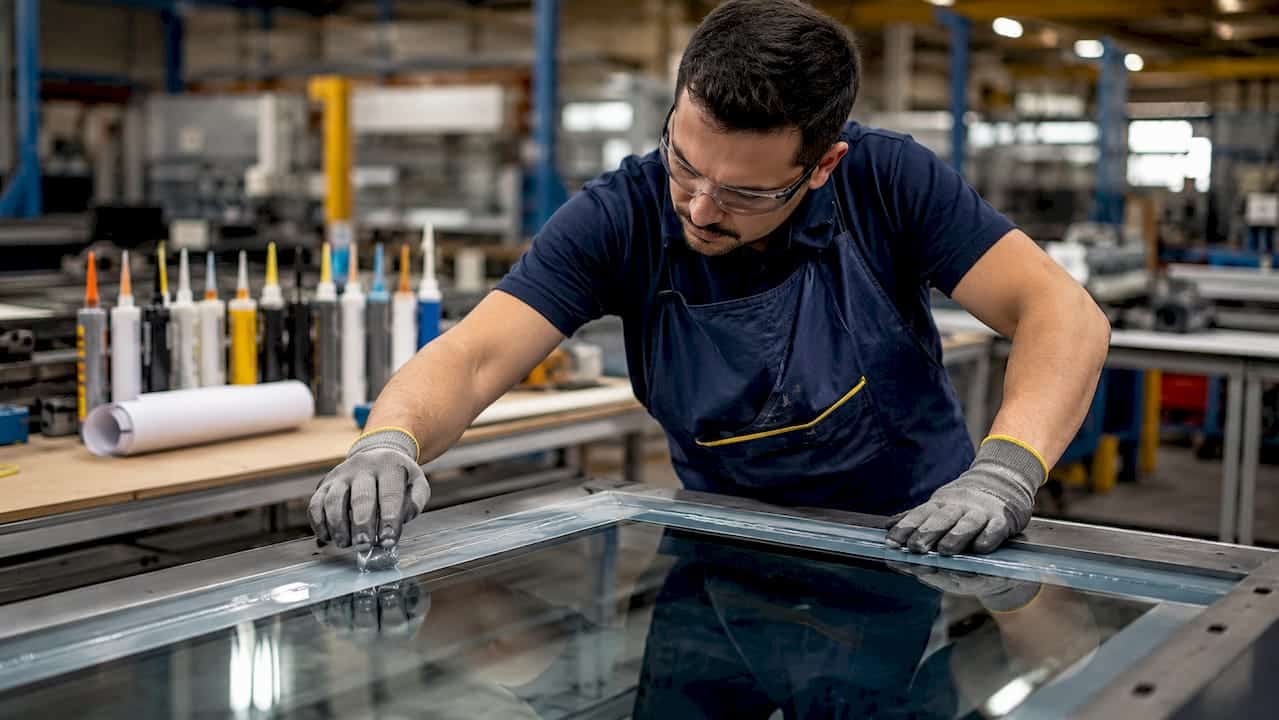
Structural glazing sealant is defined as a 100% silicone elastomeric adhesive that bonds glass panels directly to metal frames without mechanical fasteners, transferring wind, seismic, and thermal loads across the joint. In architectural glazing systems, this material replaces the visible metal caps and pressure bars you see on older curtain walls, producing the flush, uninterrupted glass façades common on Class-A office towers and luxury hotels. Products like Dowsil™ 983 and UltraGlaze™ SSG4000 are formulated specifically for this duty, and they must meet ASTM C1184 and C1401 standards to qualify for structural use. Understanding what this sealant is, how it works, and where it belongs is the starting point for any serious glazing project.
What is structural glazing sealant and how does it work?
Structural glazing sealant is a specialised silicone adhesive engineered to structurally bond glass panels to metal frames without mechanical fasteners, while also functioning as a weather seal. The sealant carries real loads. Wind pressure, seismic movement, and thermal expansion all pass through the silicone joint rather than through bolts or clips. That load-transfer function is what separates structural glazing sealant from ordinary window caulk.
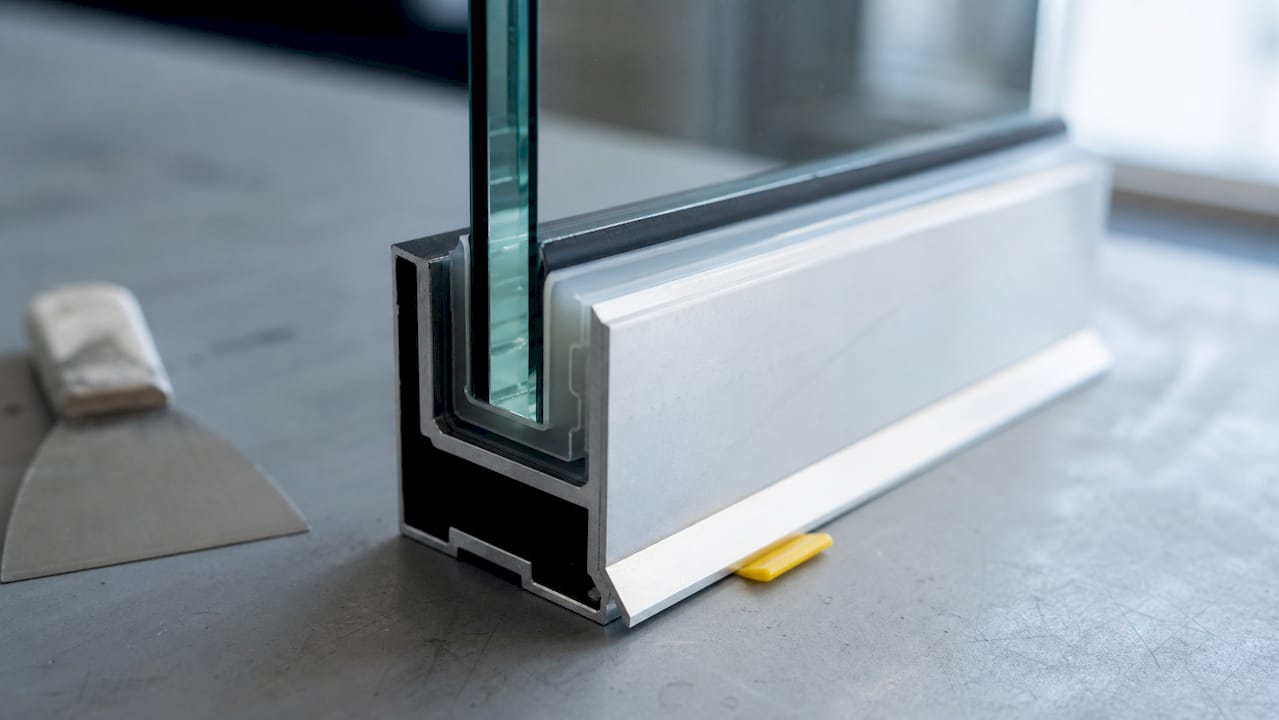
The material remains flexible across a temperature range of -50°C to 150°C and resists UV radiation and ozone degradation over decades of outdoor exposure. In Ontario’s climate, where a building faces freeze-thaw cycles from november through april, that flexibility is not optional. It is the reason the bond stays intact when the glass and frame expand and contract at different rates.
Structural glazing systems allow glass panels to function as structural elements in the building envelope, unlike typical non-structural curtain walls where the glass is simply infill. That distinction matters when you are specifying materials for a tall building or a large commercial façade. The sealant is not decorative. It is load-bearing.
What materials and chemistry define a structural sealant?
The chemistry behind structural glazing sealant is what makes it perform where other products fail. Two-component silicone sealants are mandatory for structural glazing because single-component types cure too slowly and lack the required mechanical properties for load-bearing joints. Two-component systems use a base and a catalyst mixed at a precise volume ratio, producing a reliable cure and consistent hardness throughout the joint.
Neutral-cure silicones must be used for structural glazing because acetoxy-cure types release acetic acid during curing, which corrodes aluminium frames and degrades the bond over time. That corrosion undermines the structural integrity of the entire façade. Neutral-cure chemistry prevents this and is the industry standard for any application where the sealant carries load.
Key performance properties to look for in a structural glazing sealant include:
- Tensile strength: The sealant must resist pulling forces without tearing away from the substrate.
- Elongation at break: High elongation (typically 150% or more) allows the joint to absorb movement without cracking.
- Adhesion quality: The bond must hold to both glass and anodised or painted aluminium without a primer in many cases.
- UV and ozone resistance: Critical for any exposed exterior joint that will see decades of sunlight.
- Temperature stability: Performance must not degrade at the extremes of a Canadian winter or a hot summer roof.
Pro Tip: Always confirm that the sealant you specify is a two-component neutral-cure silicone with documented ASTM C1184 compliance. If the product data sheet does not list tensile strength and elongation values, it is not a structural-grade product.
How are structural glazing sealants applied and tested?
Structural sealant application is not a field caulking job. Most structural glazing is factory bonded, meaning the glass units are assembled and cured in a controlled shop environment before being transported to site. This matters because temperature, humidity, and substrate cleanliness all affect cure quality, and a factory setting gives you control that a job site cannot.
Project-specific engineering is mandatory for sealant dimensions based on wind loads and thermal expansion. The sealant bite width and depth are not guesses. An engineer calculates them based on the glass panel size, the building height, the local wind pressure zone, and the expected thermal movement. Getting these numbers wrong means the joint either fails under load or cracks from thermal stress.
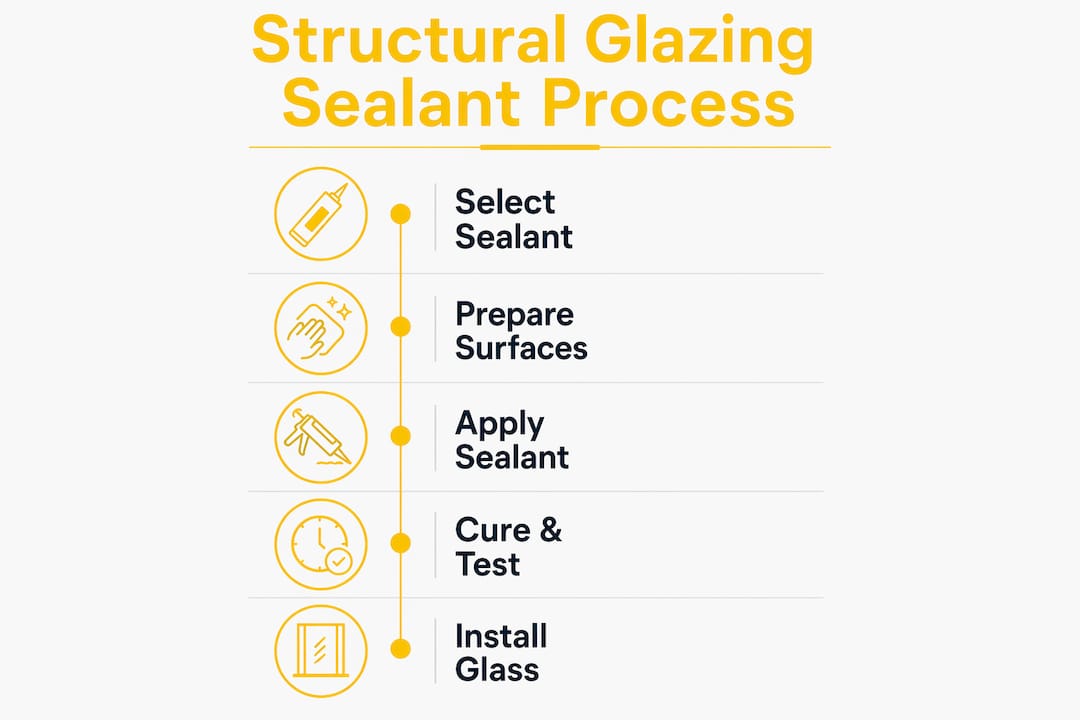
The application and quality assurance workflow follows a clear sequence:
- Substrate preparation: Clean all bonding surfaces with approved solvents to remove oils, dust, and release agents. Apply primer if the product data sheet requires it for the specific substrate combination.
- Mix ratio verification: For two-component systems, confirm the correct base-to-catalyst ratio using a butterfly test before production begins.
- Application: Inject the mixed sealant into the joint, tooling to eliminate voids and achieve full contact with both substrates.
- Initial cure hold: Keep assembled units flat and undisturbed during the initial cure period, typically 21 days at 23°C, before handling or glazing.
- Destructive butterfly testing: Cut sample joints from production units and peel them apart to confirm cohesive failure in the silicone rather than adhesive failure at the substrate. Cohesive failure means the bond is stronger than the sealant itself.
- Documentation: Record mix ratios, ambient conditions, batch numbers, and test results for every production run.
A sealant may appear cured but still lack the molecular bond strength needed to bear structural loads. Visual inspection alone is not sufficient. This is why destructive butterfly testing is a certification requirement, not an optional quality check.
Pro Tip: Never skip the butterfly test on the first batch of any new project, even if you have used the same sealant before. Substrate variations between projects can change adhesion results significantly.
Structural glazing vs. traditional mechanical glazing: key differences
Structural silicone glazing systems cost 20–40% more than traditional mechanical glazing due to factory bonding requirements and strict testing protocols. That cost premium is real, and it is worth understanding what you are paying for before you specify one system over the other.
| Feature | Structural Glazing Sealant | Traditional Mechanical Glazing |
|---|---|---|
| Fastening method | Silicone adhesive bond | Pressure bars and mechanical clips |
| Façade appearance | Flush, uninterrupted glass surface | Visible metal caps and frames |
| Load transfer | Through the sealant joint | Through mechanical hardware |
| Installation location | Factory bonded, controlled environment | Site installed |
| Certification required | ASTM C1184, C1401, certified applicators | Standard glazing trade |
| Cost premium | 20–40% higher | Base cost |
| Flexibility in cold climates | Excellent, rated to -50°C | Dependent on gasket material |
The benefits of structural glazing sealant for the right project are clear:
- Seamless glass façades with no visible metal interruptions
- Greater design freedom for architects specifying large glass panels
- Superior load transfer for tall buildings in high-wind or seismic zones
- Long-term durability with UV and ozone-resistant silicone chemistry
- Improved weather sealing compared to mechanically fastened systems with exposed gaskets
The limitations are equally real. Structural glazing requires certified applicators and documented quality control, and it cannot be performed as a DIY task due to safety risks and performance demands. If the sealant is misapplied or the wrong chemistry is used, the consequences range from water infiltration to glass fallout. In a Canadian renovation context, replacing a failed structural glazing system is significantly more expensive than getting it right the first time.
For residential projects, understanding the difference between silicone and acrylic caulk is a useful starting point before stepping up to structural-grade products.
What projects and building types benefit most?
Structural glazing sealant is the right choice for specific building types and project conditions. Knowing where it adds value helps you avoid over-specifying on simple projects and under-specifying on demanding ones.
Buildings and scenarios where structural glazing sealant delivers clear value include:
- Class-A office towers and commercial high-rises where flush glass façades are an architectural requirement and wind loads are significant.
- Luxury hotels and retail flagship stores where the appearance of the building envelope is a direct part of the brand.
- Large commercial glass façades on buildings taller than four storeys, where wind pressure calculations demand engineered sealant joints.
- Buildings in seismic zones where the façade must absorb lateral movement without the glass cracking or detaching.
- Renovation projects replacing failed curtain wall systems where the original mechanical glazing has corroded or the gaskets have failed.
In Ontario specifically, the freeze-thaw cycle from late autumn through early spring puts significant stress on any façade joint. A structural silicone rated to -50°C handles that movement without cracking. A standard acrylic or latex caulk does not. For commercial properties across the Greater Toronto Area, this distinction is the difference between a façade that lasts 25 years and one that needs remediation in five.
For a broader look at how exterior sealant protects your asset over time, the principles of joint design and material selection apply across both residential and commercial scales.
If you are deciding whether structural glazing sealant is right for your project, ask these questions:
- Is the building taller than four storeys, or in a high-wind exposure zone?
- Does the design require a flush glass exterior with no visible metal framing?
- Will the façade face significant thermal movement between seasons?
- Is there a certified applicator and factory bonding facility available for the project?
If you answer yes to most of these, structural glazing sealant is likely the correct specification.
Key takeaways
Structural glazing sealant is a two-component neutral-cure silicone that bonds glass to metal frames, transfers structural loads, and requires certified application and destructive testing to perform safely.
| Point | Details |
|---|---|
| Core definition | A 100% silicone elastomeric adhesive that bonds glass to metal frames without mechanical fasteners. |
| Chemistry requirement | Two-component neutral-cure silicone only; acetoxy-cure types corrode metal frames and degrade bonds. |
| Testing is mandatory | Destructive butterfly testing confirms bond strength; visual inspection alone is never sufficient. |
| Cost premium is real | Structural glazing systems cost 20–40% more than mechanical glazing due to factory bonding and certification. |
| Not a DIY application | Certified applicators, engineered joint dimensions, and documented quality control are all required. |
What 25 years on the job taught me about structural glazing sealant
I have seen a lot of façade work go wrong, and most of the failures I have been called in to assess share the same root cause: someone used the wrong product or skipped a step they thought was optional.
The most common mistake I see is treating structural glazing sealant like a premium version of regular window caulk. It is not. The chemistry is different, the application process is different, and the consequences of getting it wrong are in a different category entirely. A failed window caulk joint means a draft or a water stain. A failed structural glazing bond on a high-rise means glass fallout. Those are not comparable problems.
The second mistake is trusting visual cure. I have seen joints that looked perfectly set after a week that had no real bond strength at all. The butterfly test exists for a reason. If a contractor tells you the sealant looks good and skips the destructive test, that is a red flag worth taking seriously.
For property managers and building owners in Ontario, my honest advice is this: if your building has a structural glazing system that is more than 15 years old, get a professional inspection. Silicone degrades slowly, and the early signs of bond failure are not visible from the ground. Catching it early is far less expensive than dealing with construction defect caulking failures after the fact.
Specify the right product, hire certified applicators, and do not skip the testing. That is the whole job.
— Felix
Work with a team that gets it right the first time
If you are planning a glazing project or need an assessment of your current façade sealant, Kettlecontracting brings professional-grade expertise to every job across the Greater Toronto Area. Our team understands the demands of Ontario’s climate and the standards required for high-performance sealant work on both commercial and residential properties.
Whether you are preparing for new glazing installation or addressing an existing sealant failure, proper surface preparation is the foundation of a lasting result. Start with our detailed guide on preparing windows for caulking to understand what good substrate preparation looks like before any sealant goes on. For a broader view of sealant in commercial windows, we have covered the full picture. Contact Kettlecontracting for an honest assessment and a quote that reflects the actual scope of your project.
FAQ
What is the difference between structural and regular glazing sealant?
Structural glazing sealant is a two-component neutral-cure silicone engineered to transfer wind, seismic, and thermal loads between glass and metal frames. Regular glazing sealant fills gaps and provides weather sealing but carries no structural load.
Can structural glazing sealant be applied on site?
Most structural glazing sealant is factory bonded under controlled conditions to meet ASTM C1184 and C1401 standards. Site application is possible in limited scenarios but requires certified applicators and documented quality control procedures.
How long does structural glazing sealant last?
A correctly specified and applied structural silicone sealant typically performs for 25 years or more when the substrate was properly prepared and the joint dimensions were engineered for the actual loads. Degraded bonds are not always visible and warrant periodic professional inspection.
Why can’t i use acetoxy-cure silicone for structural glazing?
Acetoxy-cure silicones release acetic acid during curing, which corrodes aluminium frames and breaks down the adhesive bond over time. Neutral-cure silicones do not produce this reaction and are the only chemistry approved for structural glazing applications.
What is the butterfly test in structural glazing?
The butterfly test is a destructive quality control procedure where a sample joint is cut and peeled apart to verify that failure occurs within the silicone body rather than at the glass or frame interface. Cohesive failure confirms the bond is stronger than the sealant itself, which is the required result before any glazed unit is installed.