

Maintenance quality and response time are two of the strongest predictors of whether a tenant renews their lease. If a landlord fixes things fast and keeps the building tight, tenants stay. If repairs drag on, they start browsing listings.
Three things drive that connection:
- Comfort and safety. Drafty units, leaky windows, and cold spots make tenants miserable long before they say anything about it.
- Perceived value. A well-kept building signals that management cares, which justifies the rent and builds trust.
- Avoided disruption. Fast fixes mean fewer wrecked weekends, fewer service calls, and fewer reasons to start apartment hunting.
The rest of this guide breaks down the numbers, the operational habits, and the small building-envelope details that separate a building tenants leave from one they stay in for years.
Key Takeaways
Tenant retention depends most heavily on how fast and how well a landlord responds to maintenance issues, especially building envelope problems like failing caulking.
| Point | Details |
|---|---|
| Response time predicts renewals | Fast, well-communicated repairs build the trust that drives lease renewal decisions. |
| Turnover costs more than upkeep | A single vacancy can cost thousands in lost rent, cleaning, and marketing combined. |
| Preventive beats reactive | Scheduled inspections catch small problems before they become tenant complaints or capital expenses. |
| Kettle Contracting protects the envelope | Kettle Contracting’s caulking and sealing work addresses one of the most overlooked retention factors: drafts, leaks, and moisture. |
Table of Contents
- Why building maintenance drives tenant retention
- How maintenance actions build tenant loyalty
- Maintenance practices that actually improve retention
- Running maintenance operations that actually deliver results
- Calculating the real return on tenant retention
- Making maintenance visible through tenant communication
- Who’s responsible for what, and the red flags tenants notice first
- Why caulking and weatherproofing matter more than owners think
- A maintenance-first mindset, from the field
- How Kettle Contracting protects your retention numbers
- Sources
- FAQ
Why building maintenance drives tenant retention
Tenants notice two kinds of maintenance problems: the ones they can see and the ones they feel. A cracked caulking line around a window doesn’t look like much, but the draft it lets in tells a tenant the building isn’t being watched closely. That perception compounds. One unresolved issue makes a tenant wonder what else is being ignored, and that doubt is what pushes them to start comparing rents elsewhere.
Well-kept buildings let owners hold rents with less resistance, because tenants connect visible upkeep with a management team that answers the phone when something breaks, according to Spearhead Property Management. Neglect works the opposite way. Deferred repairs quietly push out reliable renters, and every non-renewal opens the door to:
- Weeks of vacant, non-earning unit time
- Cleaning, touch-up painting, and repair costs before the next tenant moves in
- Marketing and screening costs to find a replacement
Losing a dependable tenant can cost a landlord tens of thousands of dollars over several years once you tally lost rent, turnover expenses, and the gap before a new lease starts. That single statistic is why maintenance budgets deserve the same scrutiny as marketing budgets. Both protect occupancy, but maintenance is the one that keeps the tenant you already have.
How maintenance actions build tenant loyalty
Tenants judge a building through four touchpoints: safety, functionality, cleanliness, and appearance. Every maintenance request either reinforces or undermines confidence in those four areas, and the difference between a loyal tenant and a departing one usually comes down to speed and communication, not the size of the fix.
Picture two identical HVAC failures in July. In the first unit, the property manager acknowledges the call within an hour, has a technician on-site same day, and follows up to confirm the fix held. In the second, the tenant hears nothing for three days, then waits another week for parts. Both units get repaired eventually. Only one tenant renews.
That gap comes down to a triplet that turns routine maintenance into loyalty:
- First-time fix rate. Solving the problem correctly on the first visit avoids the frustration of repeat appointments and missed workdays.
- Response window. A clear, short timeframe for acknowledgment and repair sets expectations tenants can plan around.
- Communication. Even a short update (“technician arriving Thursday between 9 and noon”) reduces anxiety more than silence does, regardless of how fast the actual repair happens.
Tenants in a large Toronto renter survey cite repair timeliness and building condition as recurring reasons for leaving, and half of the repairs tracked in that dataset were completed within 72 hours, which suggests that speed is achievable and noticed when it happens, according to findings compiled for the City of Toronto. Buildings that hit that mark consistently build a reputation tenants talk about, and buildings that don’t build the opposite reputation just as fast.
Maintenance practices that actually improve retention
Not every maintenance dollar delivers the same retention value. Prioritize in this order:
- Emergency safety items — no heat, no water, exposed wiring, broken locks. These get fixed same day, no exceptions.
- High-touch tenant systems — plumbing, HVAC, and major appliances. These affect daily comfort and generate the most complaints when neglected.
- Building envelope work — caulking, weatherstripping, and seals around windows and doors. Less visible than a broken fridge, but it drives drafts, moisture, and slowly rising utility bills that tenants blame on the building.
A preventive schedule keeps you ahead of most of these instead of reacting to them:
- Monthly: Check common-area lighting, test smoke and CO detectors in vacant units, inspect for pest activity.
- Quarterly: Inspect caulking and weatherstripping on exterior doors and ground-floor windows, service HVAC filters, walk the parking lot and entryways for hazards.
- Annually: Full building envelope inspection, roof and eavestrough check, HVAC servicing before heating and cooling seasons, review the deferred maintenance list against budget.
Preventive care costs money upfront, but it stabilizes your annual budget instead of leaving you exposed to surprise emergency repairs, according to Gerst Property Management. If you’re still running a fully reactive program, the shift doesn’t need to happen overnight. Start with the highest-traffic systems and the building envelope, since those two categories generate the most tenant complaints per dollar spent, then expand the preventive schedule as budget allows. Reducing lifecycle costs through targeted sealing work is one of the more affordable places to start, since the materials cost is low relative to the damage they prevent.
Running maintenance operations that actually deliver results
A good schedule means nothing if the team executing it can’t hit the response window. Staffing and vendor decisions are where retention strategies succeed or quietly fall apart.
When hiring or contracting maintenance staff, prioritize:
- Trade-specific skills in HVAC, plumbing, and carpentry over general handyman experience.
- WHMIS certification and basic safety training, since compliance protects both tenants and your liability exposure.
- Communication skills. A technician who explains the fix to a tenant reduces callback complaints more than one who works silently and leaves.
Property managers and maintenance teams that invest in formal training and trade qualifications see measurably better first-time-fix rates and fewer compliance issues, which translates directly into fewer tenant complaints, according to reporting in Canadian Real Estate Magazine.
Vendor management matters just as much. Set clear service-level agreements with contractors covering response time and first-fix expectations, and track their performance the same way you’d track an employee. A vendor who consistently needs a second visit is costing you more than their invoice shows.
Backlog control keeps small problems from becoming capital expenses. Log every deferred repair with a date, cost estimate, and priority level. BC Housing’s asset management guidance recommends formally recording deferred maintenance and using tools like the Facility Condition Index to decide when a growing backlog needs to graduate from routine repair into a capital planning line item.
Pro Tip: Review your deferred maintenance list every quarter, not once a year. Small items left too long almost always turn into bigger, more expensive ones by the time you get around to them.
Calculating the real return on tenant retention
The math behind retention is simpler than most owners assume. Estimate the cost of turnover with this formula:
Vacancy weeks × weekly rent, plus cleaning and repair costs, plus marketing and leasing costs.
Say a unit rents for a typical monthly amount and sits empty for about a month between tenants. That results in substantial lost rent plus hundreds in cleaning, touch-ups, advertising, and screening costs for one turnover event, before factoring in the time your team spends coordinating the transition.
Retaining a reliable tenant instead can be worth tens of thousands of dollars across several years once you account for avoided turnover costs, uninterrupted rent, and lower marketing spend. That single figure makes the case for maintenance spending better than any pitch deck.
Track these KPIs to keep the retention strategy honest:
- Average response time from request to acknowledgment
- First-time-fix rate
- Tenant satisfaction score after each closed request
- Vacancy days per unit, year over year
- Facility Condition Index, to track building health against replacement value
Making maintenance visible through tenant communication
Fixing something well and never telling the tenant you fixed it well is a wasted opportunity. A short follow-up after a repair does two things: confirms the fix held, and reminds the tenant that someone is paying attention.
Try a three-question survey sent within 48 hours of closing a work order:
- Was your issue resolved on the first visit?
- How would you rate the communication during the repair?
- Is there anything else in your unit that needs attention?
Pair that with a few low-cost renewal incentives that reinforce the maintenance message:
- Priority response status for tenants approaching lease renewal
- A small upgrade coupon (new fixture, paint touch-up) offered at the 10-month mark
- A rent-credit milestone for tenants who renew multiple years in a row
Time these touches deliberately. Run satisfaction surveys after every major repair, and raise renewal incentives around the 60-day mark before lease expiry, when tenants are actively weighing whether to stay or start looking.
Who’s responsible for what, and the red flags tenants notice first
Landlords generally handle structural repairs, HVAC, plumbing systems, and the building envelope. Tenants typically manage day-to-day cleanliness and minor upkeep like replacing light bulbs.
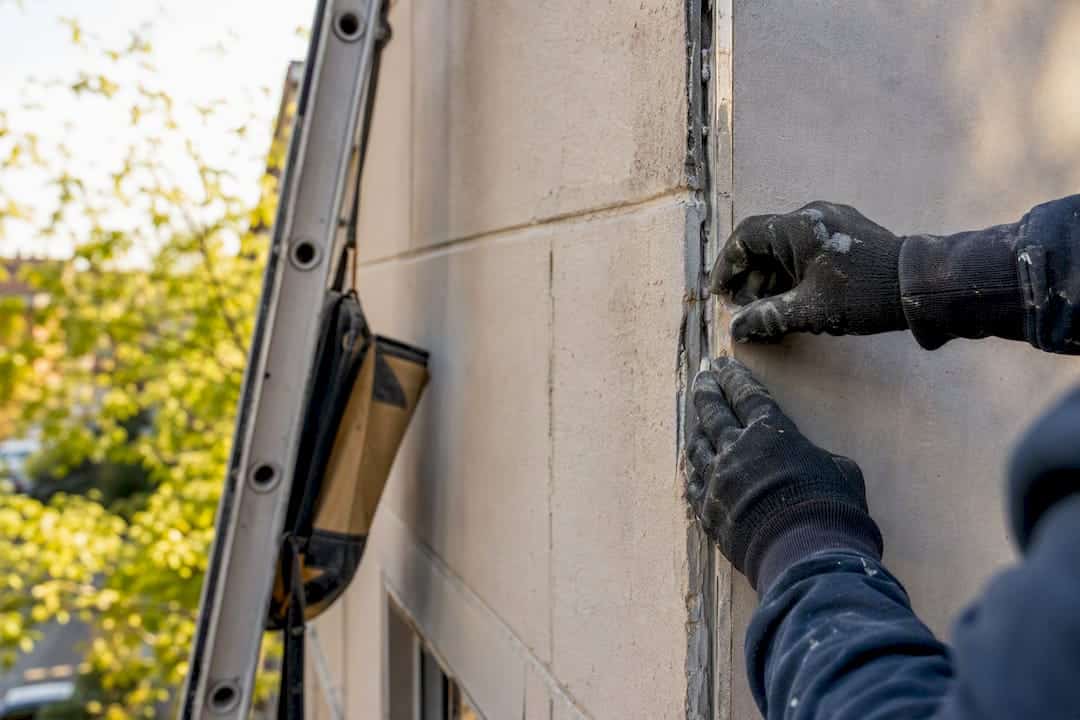
Certain problems predict a non-renewal faster than anything else: recurring leaks, pest sightings, persistent odours, chronic temperature complaints, and visibly neglected common areas. These are the details tenants mention to friends before they mention them to you.
Fixing the visible ones fast, fresh common-area paint, sealed entry doors, resolved pest reports, does more for retention than almost any other spend, because tenants read these signals as proof that management is paying attention.
Why caulking and weatherproofing matter more than owners think
Twenty five years on rooflines and window frames in Oshawa has taught me that caulking failure is one of the most underrated retention killers out there. A cracked bead around a window lets in water and cold air long before a tenant files a complaint, and by the time they do, you’re often dealing with staining, mould risk, or a spiking heating bill they blame on the building.
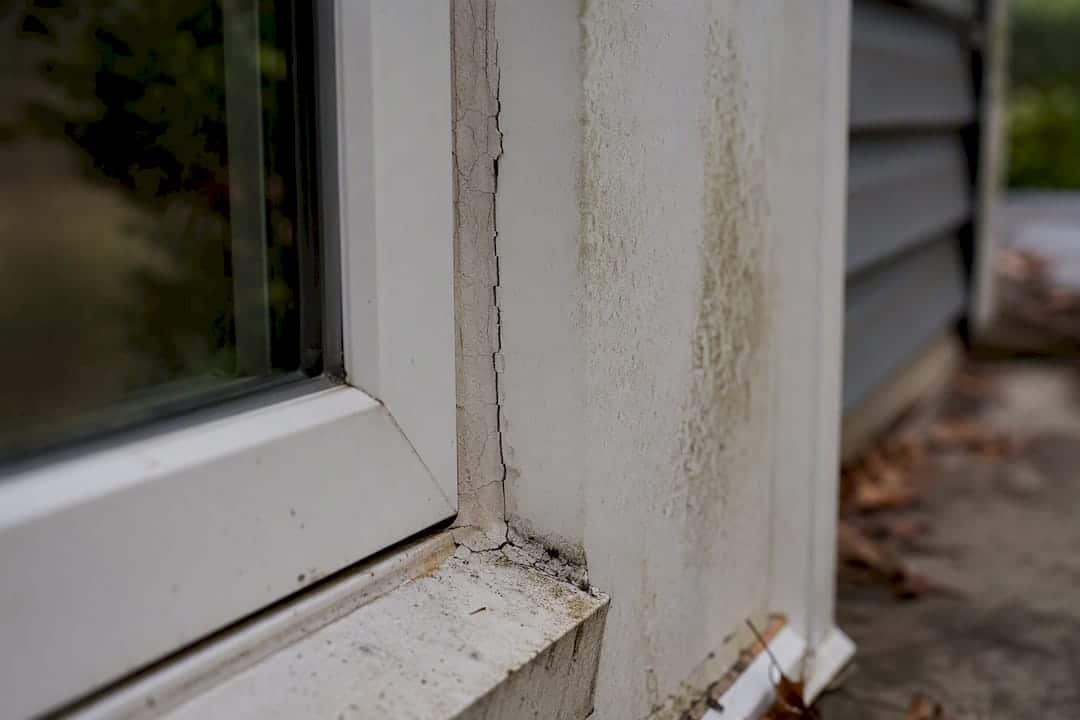
Proper sealant work stops water ingress, cuts drafts, and reduces the strain on HVAC systems, which shows up as fewer comfort complaints and a lower utility bill tenants actually notice.
Watch for these signs during walkthroughs:
- Cracked, shrunken, or peeling caulking around window and door frames
- Visible gaps where sealant has pulled away from the substrate
- Soft or discoloured drywall near windows, a sign moisture is already getting in
Caulking looks simple, but material selection and application technique determine whether it survives one Ontario winter or five. Cheap sealant applied in the wrong conditions fails within a season. That’s why hiring a qualified contractor for building envelope work matters as much as hiring a licensed plumber for a leak.
Pro Tip: Check caulking every fall before the freeze-thaw cycle starts. A five-minute inspection now beats a drywall repair in February.
A maintenance-first mindset, from the field
After 25 years of walkthroughs, the buildings with the lowest turnover aren’t the newest ones. They’re the ones where someone actually checks the seals every fall instead of waiting for a tenant complaint. The most common mistake I see is treating caulking as cosmetic work instead of building protection. Treat maintenance like it protects revenue, because it does, not like a line item you trim when the budget gets tight.
How Kettle Contracting protects your retention numbers
If turnover is eating into your margins, the fix often starts smaller than owners expect. Kettle Contracting specializes in exactly the building envelope work this guide has covered: caulking, sealing, and weatherproofing for windows, doors, and full building envelopes across residential and commercial properties.

We’ve spent years working through Ontario’s freeze-thaw cycles, so we know which sealants hold and which ones fail after one winter. That matters when the goal is fewer tenant complaints about drafts, moisture, or rising heating bills. Our approach is straightforward: honest pricing, clear timelines, and workmanship built to last, not a quick patch that reopens the same problem next season.
If your buildings haven’t had an envelope inspection recently, that’s the natural next step. You can book a caulking estimate or learn more about why this work is trade-specific before deciding what your building actually needs.
Sources
- Managing housing assets guide — BC Housing
- Uncovering the hidden ROI: How proactive property maintenance maximizes your investment — Canadian Real Estate Magazine
- Tenant turnover cost Canada 2026 — TenantPay
- Background: renter maintenance and repair findings — City of Toronto (RentSafeTO report)
- Role of preventive maintenance in property management — Gerst Property Management
FAQ
What are red flags for tenants?
Recurring leaks, pest sightings, persistent odours, chronic temperature complaints, and visibly neglected common areas are the top signs tenants cite before deciding not to renew.
Which maintenance services do landlords need the most?
Plumbing, HVAC, and building envelope work like caulking and weatherstripping generate the most tenant complaints and carry the biggest retention impact when handled well.
What maintenance is required by the tenant?
Tenants are typically responsible for day-to-day cleanliness and minor upkeep, such as replacing light bulbs, while landlords handle structural, HVAC, plumbing, and building envelope repairs.