
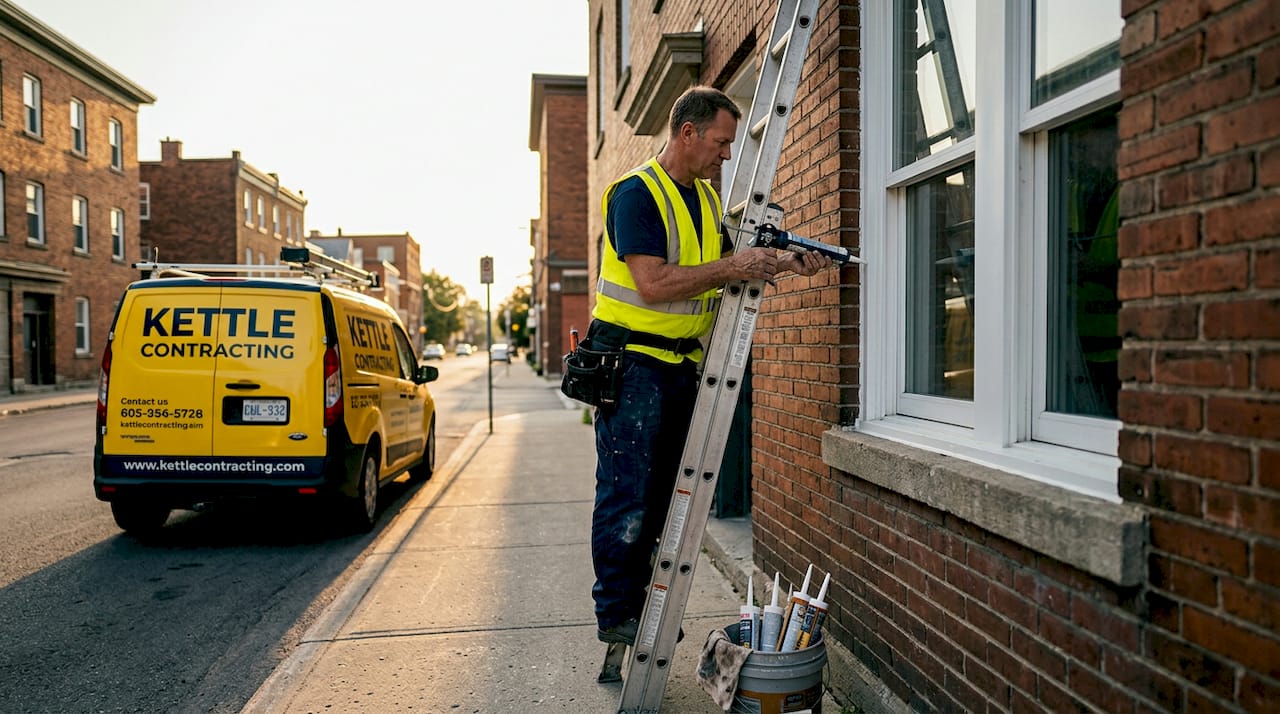
Most property owners think of caulking as a finishing touch — something you do to make a bathroom look clean or a window frame look tidy. That framing costs money. Understanding how caulking protects investment property means recognising it as a building envelope management tool, not a cosmetic fix. Proper sealant application prevents moisture intrusion, reduces air leakage, deters pests, and directly influences your energy costs and inspection outcomes. For rental property owners and real estate investors, that adds up to real dollars across the life of a building.
Table of Contents
- Key takeaways
- How caulking protects investment property: the basics
- The financial case: how caulking saves money
- Caulking challenges in rental properties
- Caulking and property inspection readiness
- My take after 25 years on the job
- Protect your property with professional caulking
- FAQ
Key takeaways
| Point | Details |
|---|---|
| Caulking is protective, not cosmetic | Sealant prevents moisture, air loss, and pest entry that lead to costly structural damage. |
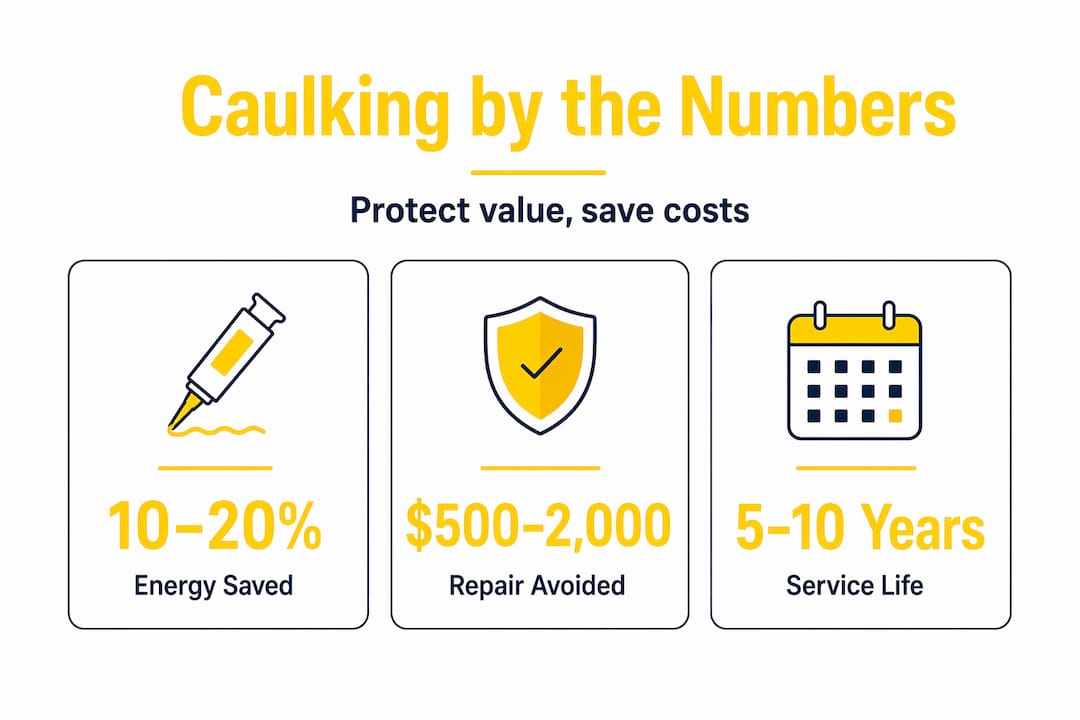
| Energy savings are measurable | Sealing air leaks can cut heating and cooling costs by 10–20% annually. |
| Inspection readiness matters | Documented caulk condition supports stronger negotiations and more accurate reserve planning. |
| Material choice affects longevity | Using the right sealant type per location prevents premature failure and repeat repairs. |
| Maintenance timing is everything | Treating caulk age like roof age helps you schedule replacements before water damage starts. |
How caulking protects investment property: the basics
The industry term for what caulking does is building envelope sealing. The building envelope is everything that separates conditioned interior space from the outside, including walls, windows, doors, foundations, and roof assemblies. Caulk fills the joints and gaps where these components meet, and those gaps are where most problems start.
Here is what a failed or missing seal actually allows into your building:
- Moisture penetration around window and door frames that leads to wood rot, drywall damage, and mould growth inside wall cavities
- Air infiltration through gaps in trim, skirting boards, and foundation joints that drives up heating and cooling costs year-round
- Pest entry through small openings at the base of walls, pipe penetrations, and exterior trim joints — insects and rodents can fit through remarkably small gaps
- Condensation damage where warm interior air meets cold surfaces near unsealed joints, promoting mould and deteriorating insulation performance
In Ontario, the freeze-thaw cycle puts more stress on sealant joints than almost anywhere else. Caulk around a window frame expands and contracts with every temperature swing, and once it cracks, water gets in. One wet winter season behind an exterior window frame can mean rot, swollen drywall, and a $2,000 repair bill that a $30 tube of silicone would have prevented.
Pro Tip: Inspect exterior sealant joints every fall before the first frost. Catching a hairline crack in October is far less expensive than discovering water damage behind your wall framing in March.
To understand more about water damage prevention and how sealant failures lead to it, Kettlecontracting has covered this in detail.
The financial case: how caulking saves money
This is where the numbers become hard to ignore. A well-sealed building envelope is not just structurally sound. It directly affects your monthly operating costs.
Energy savings
Sealing air leaks can reduce heating and cooling costs by roughly 10–20%. For a multi-unit rental property spending $600 per month on common area heating, that is $720 to $1,440 back in your pocket annually. The materials cost a fraction of that. A basic caulking project runs between $3 and $30 in materials for smaller areas, and the energy cost reduction compounds over the years.
That said, isolated caulking projects work best when coordinated with other air sealing measures like weatherstripping and outlet gaskets. Sealing windows alone while leaving gaps at the foundation sill will not deliver the full savings potential.
Avoided repair costs
| Risk left unaddressed | Typical repair cost range |
|---|---|
| Window frame rot from water infiltration | $800–$3,500 per window |
| Mould remediation in wall cavities | $1,500–$6,000 per affected area |
| Drywall replacement from moisture damage | $500–$2,000 per room |
| Pest entry and associated remediation | $300–$2,500 per infestation |
| Recaulking after proper prep and application | $150–$600 per area |
The comparison tells the story. Timely sealant maintenance at $150 to $600 per area prevents four to five categories of damage that each cost multiples more. Failed caulking creates a cascade of problems: water gets in, mould follows, maintenance tickets increase, and tenants start asking questions about habitability.
“Caulking acts beyond cosmetic fixes. It directly impacts heating and cooling costs by reducing air leakage, protecting cash flow for investors.” — U.S. Department of Energy
Property inspections are also affected. Caulk condition influences inspection results and supports negotiation leverage, particularly during acquisitions. A buyer who sees fresh, properly applied sealant throughout a building reads that as evidence of ongoing maintenance. A buyer who sees cracked, discoloured joints reads it as a signal to start pricing in repairs.
Caulking challenges in rental properties
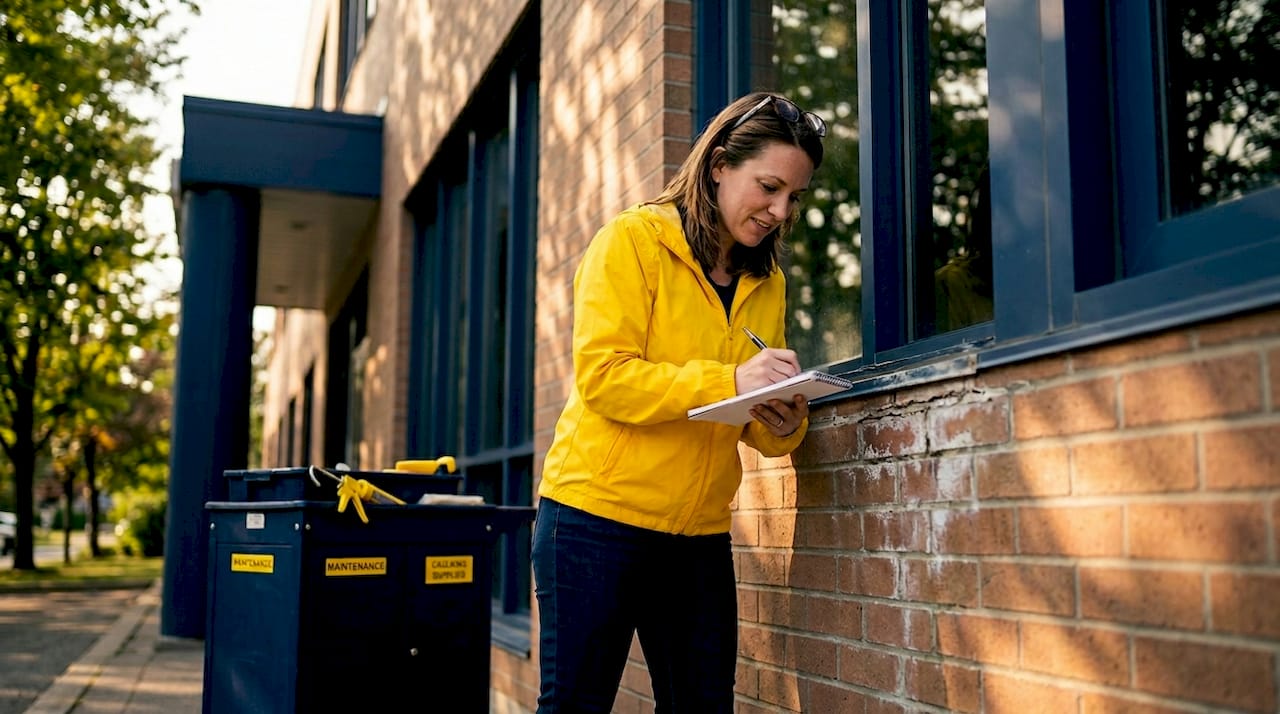
Rental properties add a layer of complexity that owner-occupied buildings do not have. Tenant turnover, varying cleaning habits, and the general wear of daily occupancy all affect sealant life.
Draughtproofing in rental properties, including caulking around windows, doors, and skirting boards, is generally considered a minor improvement that tenants may carry out with landlord permission. As the property owner, you want to get ahead of this and not rely on tenants to make these repairs correctly.
Here is a practical maintenance workflow for rental properties:
- Annual inspection. Walk each unit and inspect all sealant joints around windows, doors, bathtubs, kitchen fixtures, and exterior penetrations. Note any cracking, shrinkage, or discolouration.
- Remove failed caulk completely. Applying new caulk over old is one of the most common mistakes. It does not bond properly and will fail again quickly. Use a caulk remover tool and clean the joint down to the substrate.
- Clean and dry the surface. Surface preparation is the most overlooked step. Dust, oil, old residue, and moisture all prevent proper adhesion. A clean, dry substrate is what makes sealant last.
- Apply the right product in the right location. Silicone sealant is ideal for exterior joints and wet areas because it does not shrink and resists UV. Paintable acrylic or latex caulk suits interior trim and dryer locations where you need a finish that accepts paint.
- Allow full cure before tenant use. Tenant-facing caulking projects need attention to curing time to reduce callbacks and avoid complaints about odour or surface tackiness during unit turnovers.
Pro Tip: Photograph your work before and after each caulking session. This photo record becomes useful evidence of maintenance during property inspections, insurance claims, or tenant disputes.
A window caulking maintenance checklist can help you build this into your regular property management routine so nothing gets missed between visits.
Caulking and property inspection readiness
One area where property investors consistently underestimate the value of caulking is formal property inspections. Whether you are acquiring a new asset, refinancing, or preparing for a sale, the condition of your building envelope directly affects the inspector’s report and the conclusions drawn from it.
Here is what inspectors and assessors look for in relation to sealant:
- Cracked or missing caulk at window and door frames signals potential water infiltration history
- Failed sealant at foundation penetrations and utility entries suggests deferred maintenance practices
- Discoloured or mouldy caulk in wet areas like bathrooms and kitchens indicates moisture management issues
- Fresh, continuous sealant beads throughout the building communicate that the envelope has been actively managed
Documenting caulk condition during regular property assessments supports reserve forecasting and smooth negotiations. When you can show an inspector or buyer a log of when sealant was last replaced and where, you are presenting evidence of responsible ownership. That reduces uncertainty on both sides of a transaction.
Treating caulk age like roof age in your reserve planning is good practice. Most exterior sealant has a service life of 10 to 20 years depending on material, climate exposure, and substrate movement. Scheduling recaulking before joints fail prevents the moisture intrusion and subsequent expensive repairs that show up on condition assessments. A site walkthrough guide for caulking deficiencies can give you a clear framework for conducting these reviews yourself.
My take after 25 years on the job
I have worked on buildings across the Greater Toronto Area for over two decades, and I can tell you the most expensive caulking jobs I have ever done were not the large commercial buildings. They were the landlords who called after water had been getting in for three or four years without anyone noticing.
In my experience, investors who treat caulking as a line item they revisit every decade or so are almost always the ones dealing with mould remediation, rot repairs, or a difficult inspection right before a sale. The building does not warn you. The damage accumulates quietly behind walls and under window sills until a tenant complains or a home inspector starts taking photos.
What I have learned is that the return on timely sealant maintenance is not just financial, though it absolutely is that. It is also operational. Well-maintained buildings generate fewer maintenance calls, retain tenants longer, and sell more cleanly when the time comes.
Is caulking worth it? After 25 years, I have never once met a property owner who regretted keeping their sealant in good shape. I have met plenty who regretted waiting.
One more thing: material selection matters more than most people realise. I have seen investors save a few dollars by using interior-grade caulk on exterior joints and end up paying five times that in rework within two seasons. Match the product to the exposure, follow the prep steps, and do not skip the cure time. That is what makes the difference between a repair that lasts and one that needs doing again next spring.
— Felix
Protect your property with professional caulking
If you manage one rental unit or a portfolio of commercial properties, the maintenance decisions you make today determine the repair bills you face five years from now. Kettlecontracting provides professional building envelope sealing across the Greater Toronto Area, with expertise in windows, doors, expansion joints, and full exterior assemblies.

Professional application is not just about the caulk itself. It starts with proper window preparation for caulking, correct product selection for your specific substrate and climate exposure, and a finished result that lasts. If existing sealant has already started failing, Kettlecontracting also covers common caulking problems and fixes so you know what you are dealing with before work begins. For property managers handling multiple units and turnovers, a property manager maintenance guide can complement your caulking programme with broader upkeep strategies. Reach out to Kettlecontracting to schedule an assessment.
FAQ
What does caulking actually prevent in an investment property?
Caulking seals the joints and gaps in your building envelope, preventing water infiltration, air leakage, and pest entry. Left unaddressed, these issues lead to mould, rot, rising energy bills, and costly structural repairs.
How much can proper sealant maintenance save on energy costs?
Air sealing with caulk can reduce heating and cooling costs by 10–20% annually. Savings are greatest when caulking is combined with weatherstripping and other air sealing measures throughout the building.
How often should caulking be inspected on a rental property?
Annual inspections are the standard, ideally each autumn before freeze-thaw conditions begin in Ontario. Wet areas like bathrooms and kitchens may need attention more frequently depending on tenant use.
Does caulking condition affect a property inspection or sale?
Yes. Caulk condition is noted during property condition assessments and can influence buyer negotiations, reserve planning estimates, and overall perception of how well a property has been maintained.
What type of caulk should you use on an investment property exterior?
Silicone sealant is the preferred choice for exterior joints and wet areas because it resists UV exposure, does not shrink, and handles substrate movement well. Paintable acrylic or latex caulk suits interior trim where a painted finish is required.
Recommended
- Reduce maintenance costs on your investment property with sealing
- The Cost-Benefit Analysis of Professional Window Caulking – Kettle Contracting
- How Door Caulking Can Improve Home Resale Value – Kettle Contracting
- Does New Caulking Really Make a Difference? | See the Before & After – Kettle Contracting